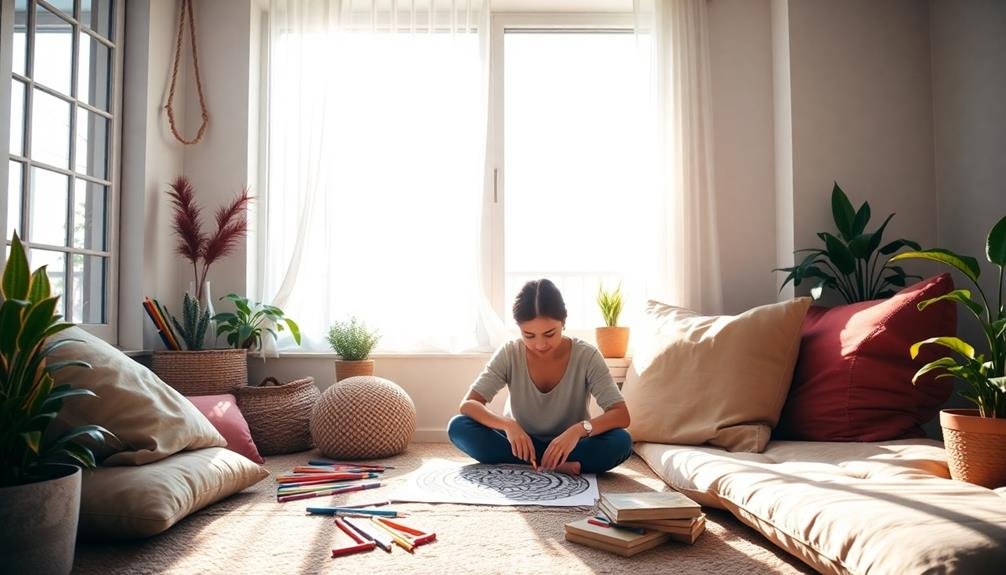
Coloring books are therapeutic for your mental health because they engage your mind in creative expression while promoting relaxation. When you choose colors and fill in designs, you activate areas of your brain linked to mindfulness. This process can lower your anxiety and enhance your mood by releasing dopamine, creating a sense of accomplishment as you complete a page. Plus, it helps you escape daily stressors, grounding you in the present moment. By incorporating coloring into your routine, you're not only enjoying a fun activity but also nurturing your mental well-being. There's so much more to discover about this creative outlet!
The Science of Coloring

When you engage in coloring, you're not just filling in shapes; you're tapping into a therapeutic practice backed by science. Numerous studies indicate that coloring activates your brain's areas linked to creativity, focus, and relaxation. As you select colors and make decisions about your artwork, you're engaging in a form of mindfulness, which promotes a sense of presence and awareness.
Your brain releases dopamine, a neurotransmitter associated with pleasure, when you create something visually appealing. This chemical boost can enhance your mood and encourage a positive mental state. Additionally, the repetitive motion of coloring can lower your heart rate and reduce stress levels. By shifting your focus from daily stressors to the simple act of coloring, you allow your mind to enter a meditative state.
Coloring also engages your fine motor skills and hand-eye coordination, which can improve cognitive functions. Research has shown that structured activities like coloring can help you develop problem-solving skills as you navigate through patterns and designs.
Benefits for Anxiety Relief
Coloring not only enhances creativity and focus but also serves as a powerful tool for alleviating anxiety. When you're feeling overwhelmed, picking up a coloring book can provide a much-needed escape. The repetitive motion of coloring engages your hands and mind, offering a soothing distraction from racing thoughts and worries.
As you concentrate on choosing colors and filling in designs, you naturally shift your focus away from stressors. This simple act of creation can lead to a sense of accomplishment and control, which is often lacking when anxiety takes hold.
Additionally, the act of coloring can trigger a relaxation response in your body, reducing physiological symptoms associated with anxiety, like tension and elevated heart rate.
You might also find that coloring creates a calming environment. Whether you prefer intricate patterns or simple shapes, the process fosters a sense of peace. Engaging in this creative activity allows you to express yourself without judgment, providing emotional release.
Ultimately, incorporating coloring into your routine can serve as a practical strategy for managing anxiety, giving you a moment to breathe and reconnect with yourself.
Enhancing Mindfulness Through Coloring
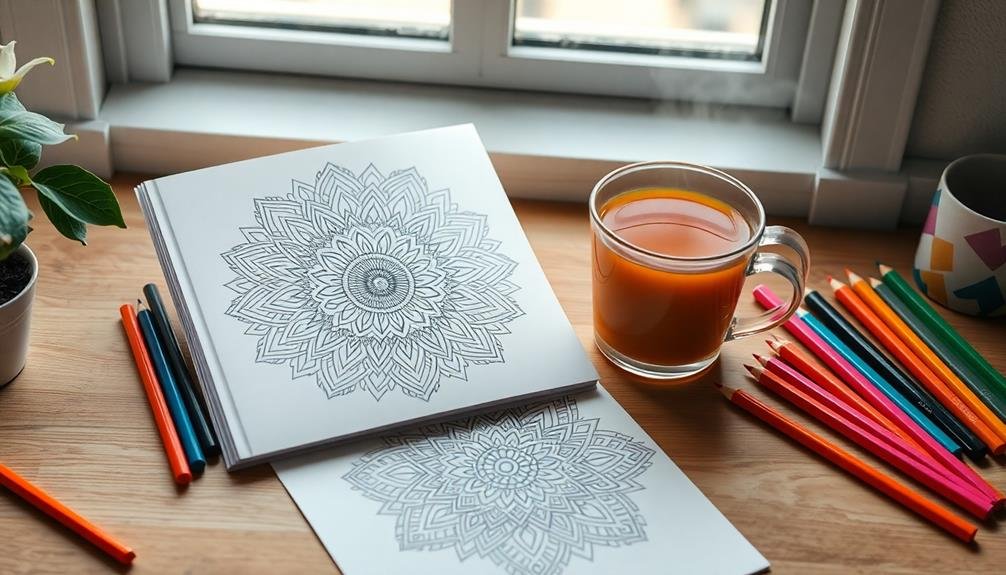
Coloring isn't just a fun activity; it's a powerful way to express your creativity and boost mindfulness.
As you focus on each stroke and color choice, you'll find that stress begins to melt away, allowing you to be fully present in the moment.
This simple act can transform your mental state, making it a valuable tool for stress reduction.
Focused Creative Expression
Many people find that engaging in focused creative expression through coloring can greatly enhance mindfulness. When you pick up those colored pencils or markers, you're not just filling in spaces; you're entering a state of flow. This focus allows you to immerse yourself in the moment, pushing aside distractions and worries.
As you choose colors and decide on patterns, you activate your creative side, which fosters a deeper connection to your thoughts and feelings. This process encourages you to be present, observing how each stroke and hue affects the overall picture. You may notice your breathing slowing and your heart rate stabilizing, as the simple act of coloring becomes a meditative practice.
Moreover, this focused creativity can serve as a gentle reminder to let go of perfectionism. Embracing the unpredictability of your artistic choices opens up new avenues for self-expression. You learn to appreciate the beauty in spontaneity, which can translate into other areas of your life.
Stress Reduction Techniques
While you may not realize it at first, engaging in coloring can be a powerful tool for stress reduction. When you pick up those colored pencils or markers, you're not just creating art; you're entering a state of mindfulness. This focused activity allows you to shift your attention away from daily stressors and immerse yourself in the present moment.
As you color, your mind tends to quiet down, letting go of racing thoughts and worries. The repetitive motion of coloring can be soothing, helping to lower your heart rate and reduce anxiety. You'll find that choosing colors and filling in patterns becomes a form of meditation, creating a calming effect that promotes relaxation.
Moreover, the act of coloring stimulates your creative side, which can further enhance your mood. You're free to express yourself without judgment, allowing for a release of pent-up emotions.
Whether you prefer intricate designs or simple patterns, the key is to enjoy the process. Incorporating coloring into your routine offers an accessible way to practice mindfulness and manage stress effectively.
Boosting Creativity and Expression
Coloring isn't just about filling in shapes; it's a powerful way to release your imagination and express yourself.
You can personalize your experience by choosing colors and designs that resonate with you, making the process uniquely yours.
If you're facing a creative block, coloring can serve as a catalyst to break through and inspire fresh ideas.
Unlocking Imagination Through Art
Art opens the door to your imagination, offering a vibrant avenue for creativity and self-expression. When you pick up a coloring book, you're not just filling in spaces; you're igniting your mind's eye. Each stroke of color invites you to explore new ideas and possibilities, allowing you to break free from conventional thinking.
As you immerse yourself in the world of coloring, you'll discover that it encourages spontaneity. You can choose colors based on your mood or let your instincts guide you. This process not only relaxes your mind but also enhances your creative thinking. The rhythm of coloring can lead to unexpected insights and innovative solutions, making it a powerful tool for problem-solving.
Moreover, engaging with art fosters a sense of playfulness. You might find yourself experimenting with different techniques, blending hues, or even creating your unique patterns. This playful approach not only boosts your creativity but also reinforces your confidence in expressing yourself.
Personalizing Your Experience
Personalizing your coloring experience can transform a simple pastime into a profound journey of creativity and self-expression. By choosing colors that resonate with you, you're not just filling in shapes; you're conveying emotions and thoughts. Experiment with different color palettes, mixing bright hues for joy or softer tones for calm.
You can also opt for unique materials like gel pens, watercolors, or colored pencils. Each medium offers a different texture and effect, allowing you to further customize your artwork. Consider adding your own patterns or doodles alongside the predefined designs. This blend of your creations with existing illustrations can deepen your connection to the piece.
Don't forget about the environment where you color. Create a cozy space with your favorite music or scents to enhance your overall experience. You might even want to set a theme for your coloring session—like nature, dreams, or emotions—that aligns with what you're feeling that day.
Ultimately, personalization makes the experience yours. The more you infuse your personality into your coloring, the more liberating and therapeutic it becomes. Embrace your creativity, and let your imagination run wild!
Overcoming Creative Blocks
Sometimes, everyone faces a creative block that makes it tough to get started on a coloring project. You might sit with your coloring book and feel an overwhelming sense of pressure to create something perfect, but that pressure can stifle your creativity. Instead of forcing yourself to produce a masterpiece, allow yourself to embrace the process.
Grab some colors and start filling in random shapes or patterns without worrying about the end result. Let your mind wander as you color; focus on the movement of the crayon or marker. This simple act can spark new ideas and release your creative flow. You can even try coloring outside the lines or mixing colors in unconventional ways.
If you're still feeling stuck, consider setting a timer for a short session. Tell yourself you'll color for just five minutes. Often, once you start, you'll find it hard to stop.
Age-Independent Therapeutic Effects
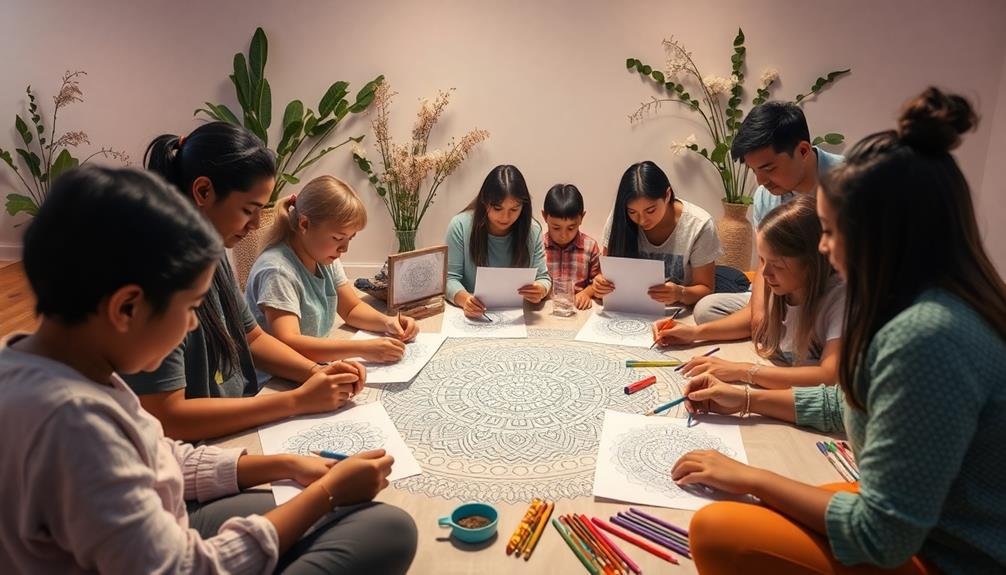
As you immerse yourself in vibrant colors and intricate patterns, you're not just having fun; you're engaging in a calming activity that helps reduce anxiety and stress. The repetitive motion of coloring can lull your mind into a state of relaxation, making it easier to cope with daily pressures.
Moreover, coloring fosters a sense of accomplishment. Completing a page gives you a tangible result, boosting your self-esteem and providing a moment of joy. This satisfaction is something everyone, no matter their age, can appreciate.
In a world filled with distractions and digital noise, returning to a simple activity like coloring reminds you of the importance of mindfulness.
Coloring as a Meditative Practice
Coloring can be a powerful meditative practice that invites you to focus your mind and quiet the chaos around you. When you immerse yourself in the act of coloring, you tap into a flow state, allowing your thoughts to settle like leaves falling from a tree. This simple yet profound activity can transform your mental landscape, fostering a sense of calm and clarity.
As you color, you might experience:
- A soothing escape from everyday stressors, letting you lose track of time.
- A renewed sense of creativity, sparking ideas and inspiration you didn't know you had.
- Deep relaxation, as your body unwinds and your breath slows.
Each stroke of the pencil or marker becomes a meditation, grounding you in the present moment. You engage your senses, feeling the texture of the paper and the vibrancy of colors.
It's not just about filling in the lines; it's about finding peace within the process. Embracing coloring as a meditative practice can greatly enhance your mental well-being, enabling you to navigate life's challenges with greater ease and resilience.
Choosing the Right Coloring Book
Finding the right coloring book can greatly enhance your meditative experience. When you choose a book that resonates with you, it makes the act of coloring more enjoyable and impactful.
Start by reflecting on your interests—do you prefer intricate designs or simpler patterns? If you love nature, look for books featuring landscapes or floral designs. For those who enjoy fantasy, books filled with mythical creatures might spark your creativity.
Next, think about the style of artwork that appeals to you. Some books focus on mandalas, while others might showcase abstract art or themed illustrations like animals and cityscapes. This choice can influence how relaxed or engaged you feel while coloring, so pick a style that draws you in.
Don't forget to take into account the paper quality. Thicker paper can handle various coloring mediums better, preventing bleed-through and allowing for richer colors.
Tips for Effective Coloring Sessions
To make the most of your coloring sessions, it's vital to choose the right materials that suit your style.
Creating a calm environment can also enhance your focus and enjoyment.
Let's explore how these factors can elevate your coloring experience.
Choose the Right Materials
Choosing the right materials can greatly enhance your coloring experience and boost its therapeutic benefits. When you invest in quality supplies, you're setting the stage for a more enjoyable and fulfilling session.
Here are some tips to help you select the best materials for your needs:
- Coloring Books: Look for books with intricate designs or themes that resonate with you. The right images can inspire creativity and provide a deeper sense of connection to your emotions.
- Pencils or Markers: Choose tools that feel comfortable in your hand. Whether you prefer colored pencils for their blending capabilities or markers for their vibrancy, make sure they bring you joy as you create.
- Paper Quality: Opt for thicker paper that can handle various mediums. High-quality paper prevents bleed-through and allows you to experiment without worry.
Create a Calm Environment
After you've gathered your materials, the next step is to establish a calm environment that fosters relaxation and creativity. Choose a quiet space where you won't be interrupted. A cozy corner of your home, free from distractions, can work wonders.
Lighting matters, too. Soft, natural light is ideal, but if that's not possible, consider using warm artificial light to create a soothing atmosphere. You might even want to light a candle or use essential oils to engage your senses further and promote relaxation.
Comfort is key, so make sure your seating is cozy. Grab a cushion or a blanket to enhance your comfort while you color. Keep your materials organized and within reach to avoid unnecessary movements that might disrupt your focus.
Consider playing soft music or nature sounds in the background. These sounds can help calm your mind and enhance your creative flow.
Integrating Coloring Into Daily Life
Many people regularly overlook the simple joy of coloring as a way to enhance their mental well-being. Integrating coloring into your daily routine can be a small yet impactful change. You don't need to set aside hours; just a few minutes each day can help ground you and improve your mood.
Consider these moments where you can color:
- Morning Ritual: Start your day with a quick coloring session to set a positive tone.
- Break Time: Use your lunch break or afternoon downtime to unwind and recharge.
- Evening Wind Down: Replace screen time with coloring to relax before bed.
You'll find that coloring not only allows you to express creativity, but it also provides a meditative escape from daily stressors. You can choose calming colors or vibrant shades, depending on how you feel.
Make it personal—create a space dedicated to your coloring supplies, making it inviting and accessible. By incorporating this simple act into your day, you can transform mundane moments into opportunities for mindfulness and joy.
Embrace the therapeutic power of coloring and watch how it enriches your mental health over time.
Group Coloring Activities
Have you ever considered how group coloring activities can enhance your social connections and boost mental health? Engaging in coloring with others creates a relaxed environment where you can share laughs, stories, and creativity. It's a unique way to bond, especially with friends or family.
You'll find that the act of coloring together encourages open conversations and helps break down barriers. In these group settings, you experience a sense of belonging that's essential for mental well-being. As you color, you'll notice your stress levels dropping, and the shared experience fosters a supportive atmosphere.
Everyone's unique approach to coloring can spark inspiration and ignite creativity, making it a fun and enriching experience. Moreover, group coloring activities can be a great icebreaker in new social situations.
Whether at a community event or a casual get-together, you'll find that everyone can participate, regardless of artistic skill. This inclusivity fosters a sense of acceptance and encourages connections among participants.
Personal Stories of Healing
Coloring can transform lives, as many individuals have discovered its therapeutic benefits. You mightn't realize how much a simple coloring book can help you navigate tough times. Many people have shared their journeys of healing through this creative outlet, illustrating how it can foster inner peace and clarity.
Consider these heartfelt stories:
- A young woman's battle with anxiety: She found solace in coloring during panic attacks, allowing her to channel her racing thoughts into beautiful patterns.
- A retiree's coping mechanism: After losing a spouse, he picked up coloring to fill empty hours, rediscovering joy while connecting with memories through vibrant colors.
- A student's refuge: Facing academic pressures, she used coloring as a break, finding a calming rhythm that helped her focus and regain confidence.
These personal stories reveal how coloring isn't just a pastime; it's a lifeline. Through each stroke of color, you can express emotions, confront challenges, and ultimately heal.
The next time you feel overwhelmed, remember that picking up a coloring book might be the key to releasing your own journey toward mental wellness.
Frequently Asked Questions
Can Coloring Help Improve Focus and Concentration Skills?
Yes, coloring can definitely help improve your focus and concentration skills. As you engage in the creative process, you're training your mind to concentrate on details, fostering mindfulness and enhancing your overall attention span.
What Types of Coloring Materials Are Best for Therapy?
For therapy, you'll find colored pencils and markers offer vibrant options, while gel pens provide smooth application. Experimenting with different materials can enhance your experience, helping you discover what feels best for your creative expression.
Are There Specific Coloring Techniques That Enhance Therapeutic Effects?
Yes, specific techniques like blending colors, using patterns, or focusing on intricate designs can enhance your experience. Experimenting with different styles lets you engage creatively, making the process more enjoyable and potentially deepening its therapeutic benefits.
How Often Should I Color for Optimal Mental Health Benefits?
You should aim to color at least a few times a week to experience ideal benefits. Regular sessions help reduce stress, boost creativity, and provide a calming escape from daily life's demands. Enjoy the process!
Can Coloring Be Combined With Other Therapeutic Practices Effectively?
You can combine coloring with mindfulness, meditation, or journaling. Engaging in these practices together enhances your relaxation and focus, creating a more enriching experience that promotes emotional well-being and creativity. Enjoy exploring these combinations!
In Summary
Incorporating coloring into your routine can be a powerful way to boost your mental health. Whether you seek relief from anxiety, want to enhance mindfulness, or simply enjoy creative expression, coloring offers something for everyone. Remember, it's not just for kids—people of all ages can benefit. So grab some colored pencils and let your imagination flow. By making time for this simple activity, you're taking a meaningful step toward healing and well-being.