
Aromatherapy massage eases anxiety by combining the power of touch with essential oils' therapeutic properties. When you receive this treatment, your body absorbs the oils through your skin and inhales their aromas, stimulating your olfactory system. This dual action impacts your brain, particularly areas like the amygdala and hippocampus, which regulate emotions and stress responses. The massage itself promotes relaxation, while the essential oils can lower cortisol levels, improve circulation, and boost mood-enhancing neurotransmitters. Together, these effects calm your nervous system, reduce muscle tension, and create a sense of well-being. Understanding the science behind this holistic approach reveals its full potential for anxiety relief.
Understanding Aromatherapy Massage
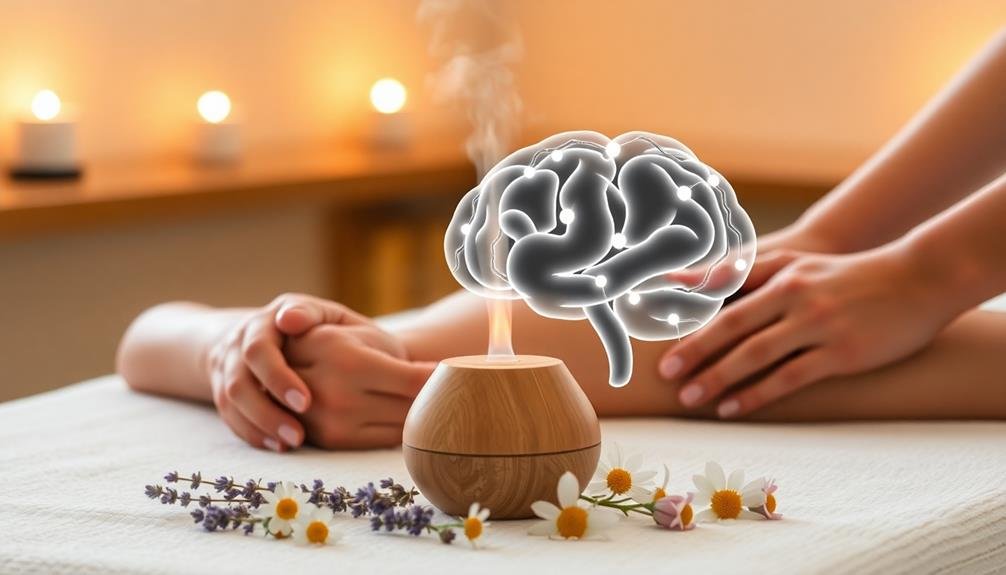
Aromatherapy massage combines the power of touch with the therapeutic benefits of essential oils. This holistic approach to wellness uses carefully selected plant-derived oils to enhance the effects of traditional massage techniques.
As you receive an aromatherapy massage, your skin absorbs these essential oils, allowing their active compounds to enter your bloodstream and impact your body and mind.
During the treatment, you'll typically lie on a massage table while a trained therapist applies diluted essential oils to your skin. They'll use various massage techniques, such as kneading, rubbing, and gentle pressure, to work the oils into your muscles and tissues.
The oils' aromas are also inhaled throughout the session, stimulating your olfactory system and triggering responses in your brain.
Common essential oils used in aromatherapy massage include lavender for relaxation, peppermint for energy, and eucalyptus for respiratory support. Your therapist will choose oils based on your specific needs and desired outcomes.
The combination of physical touch and aromatic stimulation can help reduce stress, alleviate muscle tension, improve circulation, and promote overall well-being.
The Science Behind Essential Oils
You'll find that essential oils are complex mixtures of volatile organic compounds, each with unique properties and potential effects on the body.
When you inhale these aromatic molecules, they interact with your olfactory system, triggering responses in the brain and nervous system.
Understanding the chemical composition of essential oils and how they affect your body can help you choose the right oils for anxiety relief.
Chemical Composition of Oils
One might wonder what makes essential oils so potent in aromatherapy. The answer lies in their complex chemical composition. Essential oils are concentrated plant extracts containing hundreds of organic compounds. These compounds fall into several categories, including terpenes, alcohols, esters, aldehydes, and phenols.
Terpenes, such as limonene and pinene, are the most abundant molecules in essential oils. They're responsible for many of the oils' therapeutic properties, including anti-inflammatory and antimicrobial effects.
Alcohols, like linalool and geraniol, contribute to the oils' soothing and calming qualities. Esters, such as linalyl acetate, are known for their antispasmodic and sedative properties.
Aldehydes, found in oils like citronella and cinnamon, often have strong, pleasant aromas and can be calming or stimulating.
Phenols, such as thymol and carvacrol, are powerful antioxidants and antimicrobials. The unique combination of these compounds in each essential oil determines its specific aroma and therapeutic effects.
When you inhale these complex mixtures during an aromatherapy massage, they interact with your olfactory system and can influence your mood, emotions, and physiological responses.
Olfactory System Interactions
When essential oils are inhaled during aromatherapy massage, they trigger a fascinating cascade of events in your olfactory system. As you breathe in, volatile molecules from the oils travel up your nasal passages and interact with specialized olfactory receptors. These receptors are connected to your olfactory bulb, which processes the information and sends signals to various parts of your brain.
The olfactory system's connection to your brain's limbic system is particularly important in aromatherapy's anxiety-reducing effects. Here's a breakdown of the key interactions:
| Brain Region | Function | Essential Oil Effect |
|---|---|---|
| Amygdala | Processes emotions | Reduces fear and anxiety |
| Hippocampus | Memory formation | Enhances positive memories |
| Hypothalamus | Regulates hormones | Balances stress responses |
| Thalamus | Sensory processing | Improves overall mood |
These interactions explain why you might feel an immediate sense of calm when you inhale lavender or an energy boost from peppermint. Your olfactory system's direct link to emotion and memory centers makes aromatherapy a powerful tool for managing anxiety and promoting relaxation during massage therapy.
Anxiety and the Nervous System
To understand how aromatherapy massage affects anxiety, you'll need to grasp the basics of your body's stress response mechanisms.
Your nervous system, particularly the autonomic nervous system, plays an essential role in regulating stress and anxiety.
When you're anxious, your sympathetic nervous system activates, triggering the "fight or flight" response, while aromatherapy may help stimulate the parasympathetic nervous system, promoting relaxation.
Stress Response Mechanisms
Although anxiety is a common human experience, understanding its underlying mechanisms is essential for effective treatment. When you're faced with a perceived threat, your body activates the stress response, often called the "fight-or-flight" response. This intricate process involves your nervous system and various hormones, preparing you to react quickly to potential dangers.
Your stress response mechanisms include:
- Activation of the sympathetic nervous system
- Release of stress hormones like cortisol and adrenaline
- Increased heart rate and blood pressure
These changes occur rapidly, causing physical symptoms you might associate with anxiety. Your muscles tense, breathing quickens, and you may feel sweaty or shaky.
While this response is helpful in truly dangerous situations, it can become problematic when triggered too frequently or intensely in everyday life.
Understanding these mechanisms helps explain why aromatherapy massage can be effective for anxiety relief. By promoting relaxation and activating the parasympathetic nervous system, this therapy counteracts the stress response.
It helps lower your heart rate, slow your breathing, and reduce muscle tension, effectively "undoing" the physical manifestations of anxiety.
Autonomic Nervous System
Your body's autonomic nervous system plays an essential role in anxiety and stress responses. It's divided into two main branches: the sympathetic and parasympathetic nervous systems.
The sympathetic nervous system triggers your "fight or flight" response, preparing your body for action in stressful situations. When activated, it increases heart rate, breathing rate, and blood pressure while diverting blood flow to your muscles.
The parasympathetic nervous system, often called the "rest and digest" system, counteracts these effects. It promotes relaxation, slows heart rate, and enhances digestion.
In anxiety-inducing situations, your sympathetic nervous system can become overactive, leading to persistent feelings of unease and physical discomfort.
Aromatherapy massage can help balance these systems by activating your parasympathetic nervous system. As you inhale essential oils and receive gentle touch, your body begins to shift from a state of high alert to one of calm.
This change helps reduce anxiety symptoms by lowering heart rate, decreasing blood pressure, and promoting muscle relaxation. By understanding how your autonomic nervous system functions, you can better appreciate why aromatherapy massage is an effective tool for managing anxiety.
Massage Techniques for Stress Relief
Skilled hands can work wonders for stress relief through various massage techniques. When you're feeling anxious, a professional massage therapist can target specific areas of tension in your body.
They'll use a combination of strokes, pressure, and movements to relax your muscles and promote overall well-being.
Here are three effective massage techniques for stress relief:
- Swedish massage: This gentle technique uses long, flowing strokes to improve circulation and reduce muscle tension. It's ideal for first-time massage recipients and those seeking relaxation.
- Deep tissue massage: This technique targets deeper layers of muscle and connective tissue. It's particularly helpful for chronic muscle tension and can alleviate stress-related knots.
- Trigger point therapy: This method focuses on specific points in the muscles that are causing pain or tension. By applying pressure to these areas, the therapist can release built-up stress and promote relaxation.
As you receive a massage, you'll likely notice your breathing slowing down and your muscles releasing tension.
The therapist's touch stimulates your body's relaxation response, helping to counteract the effects of stress and anxiety.
Regular massage sessions can contribute to long-term stress management and improved overall well-being.
Key Essential Oils for Anxiety
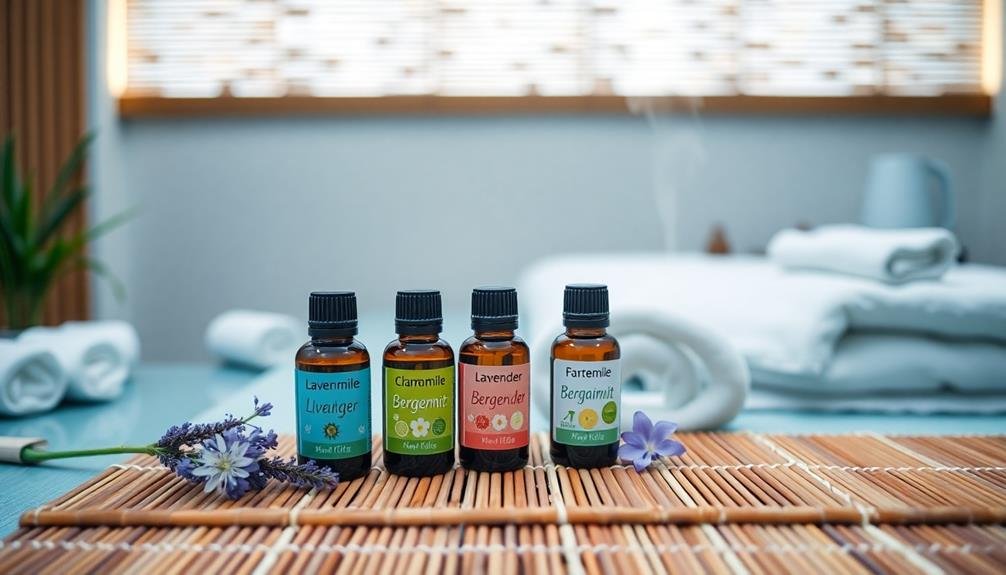
Harnessing the power of nature, essential oils can be a valuable tool in managing anxiety. When incorporated into aromatherapy massage, these concentrated plant extracts offer a potent combination of physical and psychological benefits.
Lavender stands out as the most widely recognized essential oil for anxiety relief. Its calming scent helps reduce stress and promote relaxation. You'll often find it in massage blends designed to soothe nerves and improve sleep quality.
Bergamot, with its citrusy aroma, can uplift your mood and alleviate tension. It's particularly effective in reducing cortisol levels, the hormone associated with stress.
For grounding effects, try vetiver or frankincense. These earthy scents can help center your thoughts and promote a sense of peace. They're excellent choices when you're feeling overwhelmed or scattered.
Ylang-ylang and chamomile are gentle yet powerful anxiety-busters. They can help slow a racing heart and calm a busy mind, making them ideal for use during periods of acute stress or panic.
Physiological Effects of Aromatherapy Massage
Aromatherapy massage regularly produces profound physiological effects on the body. As you receive this treatment, your nervous system responds to both the physical touch and the inhaled essential oils. This combination triggers a cascade of reactions throughout your body, leading to reduced stress and anxiety.
The physiological effects of aromatherapy massage include:
- Decreased cortisol levels: The stress hormone cortisol drops considerably, helping you feel more relaxed and less anxious.
- Improved circulation: The massage stimulates blood flow, delivering more oxygen and nutrients to your tissues and organs.
- Enhanced lymphatic drainage: Toxins are more efficiently removed from your body, boosting your immune system and overall health.
You'll also notice a slowed heart rate and lowered blood pressure as your body enters a state of deep relaxation.
The essential oils used in aromatherapy massage can stimulate the release of neurotransmitters like serotonin and dopamine, further promoting feelings of well-being and calmness.
Additionally, the oils' anti-inflammatory properties can help reduce muscle tension and pain, contributing to an overall sense of physical and mental ease.
Psychological Benefits of Scent Therapy
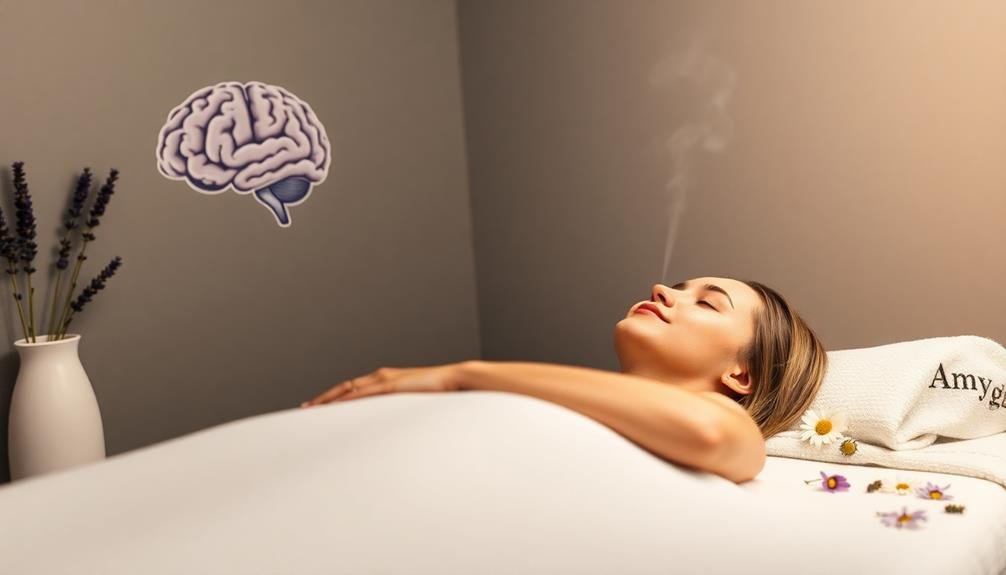
Scent therapy frequently offers powerful psychological benefits that complement its physiological effects. When you inhale essential oils during an aromatherapy massage, you're not just experiencing physical relaxation; you're also engaging in a powerful form of emotional healing.
The olfactory system's direct connection to the limbic system, which processes emotions and memories, explains why certain scents can trigger immediate emotional responses. This connection allows aromatherapy to effectively reduce anxiety, improve mood, and enhance overall mental well-being.
Here's how different scents can affect your psychological state:
| Scent | Emotional Effect | Scent | Emotional Effect |
|---|---|---|---|
| Lavender | Calming, Soothing | Citrus | Uplifting, Energizing |
| Rosemary | Clarity, Focus | Peppermint | Alertness, Freshness |
Incorporating Aromatherapy Into Daily Life
Daily rituals offer an excellent opportunity to incorporate the benefits of aromatherapy into your life. You don't need a professional massage to reap the rewards of essential oils.
Start by identifying key moments in your day where you can introduce aromatherapy. Morning routines, work breaks, and bedtime rituals are ideal times to engage your senses and promote relaxation.
To seamlessly integrate aromatherapy into your daily life, consider these methods:
- Use a diffuser in your home or office to disperse calming scents like lavender or bergamot throughout the day.
- Apply diluted essential oils to pulse points during stressful moments for an instant mood boost.
- Add a few drops of your favorite essential oil to your shower or bath for a spa-like experience.
Frequently Asked Questions
Are There Any Potential Side Effects or Risks of Aromatherapy Massage?
Yes, you might experience skin irritation, allergic reactions, or headaches from essential oils. If you're pregnant or have certain health conditions, it's best to consult a doctor. Overuse can lead to sensitivity or adverse effects.
How Long Does a Typical Aromatherapy Massage Session Last?
You'll typically spend 60 to 90 minutes enjoying an aromatherapy massage session. However, some spas offer shorter 30-minute options or longer 2-hour experiences. It's best to check with your chosen massage provider for their specific offerings.
Can Aromatherapy Massage Be Combined With Other Anxiety Treatments?
Yes, you can combine aromatherapy massage with other anxiety treatments. It's often used alongside therapy, medication, or lifestyle changes. You'll want to consult your healthcare provider to guarantee it complements your existing treatment plan effectively.
Is Aromatherapy Massage Covered by Health Insurance Plans?
You'll find that most health insurance plans don't cover aromatherapy massage. It's often considered an alternative therapy. However, some plans might offer partial coverage if it's prescribed by a doctor for specific medical conditions.
Are There Specific Certifications for Aromatherapy Massage Therapists?
Yes, there are specific certifications for aromatherapy massage therapists. You'll find programs offering certifications like Certified Aromatherapist (CA) or Registered Aromatherapist (RA). These credentials demonstrate expertise in essential oils and their therapeutic applications in massage therapy.
In Summary
You've learned how aromatherapy massage can be a powerful tool for easing anxiety. By combining the soothing effects of touch with the therapeutic properties of essential oils, you're addressing both your body and mind. Remember, it's not just about relaxation; there's real science behind these benefits. Whether you opt for professional treatments or incorporate aromatherapy into your daily routine, you're taking a holistic approach to managing stress and promoting overall well-being.



Leave a Reply