
Nurture your indoor garden and calm your mind with these five anxiety-reducing tools. Start with a compact misting bottle that creates a gentle, meditative spray for your plants. Add zen garden markers made from natural materials like bamboo or river stones to bring peaceful organization to your space. Self-watering terracotta pots eliminate watering worries while maintaining traditional charm. Ergonomic mini tools with soft-grip handles make plant care a comfortable, mindful experience. Finally, a plant care journal transforms your gardening journey into a therapeutic practice of reflection and growth. Let's explore how these tools can enhance your plant care ritual.
Compact Misting Spray Bottles
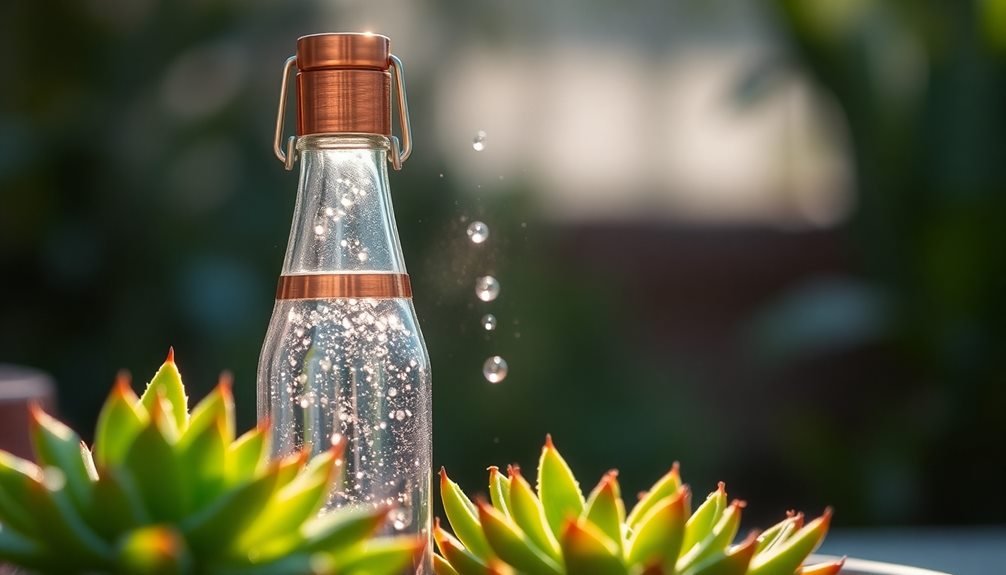
A compact misting spray bottle proves essential for nurturing indoor plants with gentle hydration. You'll find these handheld tools particularly useful for tropical plants and humidity-loving varieties that need frequent moisture without waterlogging.
The fine mist creates a calming ritual while preventing water spots on delicate leaves and guaranteeing even distribution across your plants' surfaces.
Choose a bottle with an adjustable nozzle that lets you switch between a fine mist and a stronger spray when needed. Look for ergonomic designs with comfortable grips that won't strain your hands during extended use.
Most quality misters hold between 10-16 ounces of water, making them light enough for daily use while reducing refill frequency.
You'll want to take into account bottles made from durable, BPA-free plastic or glass that won't degrade over time. Some models feature measurement markings, helping you track water usage or mix precise nutrient solutions.
Keep multiple misters handy if you're using different solutions – one for plain water, another for fertilizer, and perhaps a third for pest control treatments.
Clean your mister regularly to prevent mineral buildup and guarantee consistent spray patterns.
Zen Garden Plant Markers
While traditional plant markers serve a practical purpose, Zen garden plant markers elevate both organization and aesthetics in your indoor garden space. Made from materials like bamboo, natural stone, or recycled glass, these mindfully crafted markers bring a sense of tranquility to your plant collection.
They're designed to blend seamlessly with your greenery while providing clear identification for each plant species.
You'll discover these markers come in various styles that enhance your garden's peaceful atmosphere:
- Hand-painted river stones with metallic calligraphy that catches light and creates subtle reflections throughout the day
- Bamboo stakes with burned-in text, offering an eco-friendly option that weathers beautifully over time
- Glass markers that incorporate swirling patterns and stand upright like miniature sculptures among your plants
When you're selecting Zen garden markers, you'll want to take into account their weight and stability, especially for deeper pots.
The markers' smooth surfaces and rounded edges contribute to the overall calming effect, while their natural materials help maintain the connection between you and your plants.
They're particularly effective in meditation gardens or spaces where you practice mindful gardening.
Self-Watering Terracotta Pots
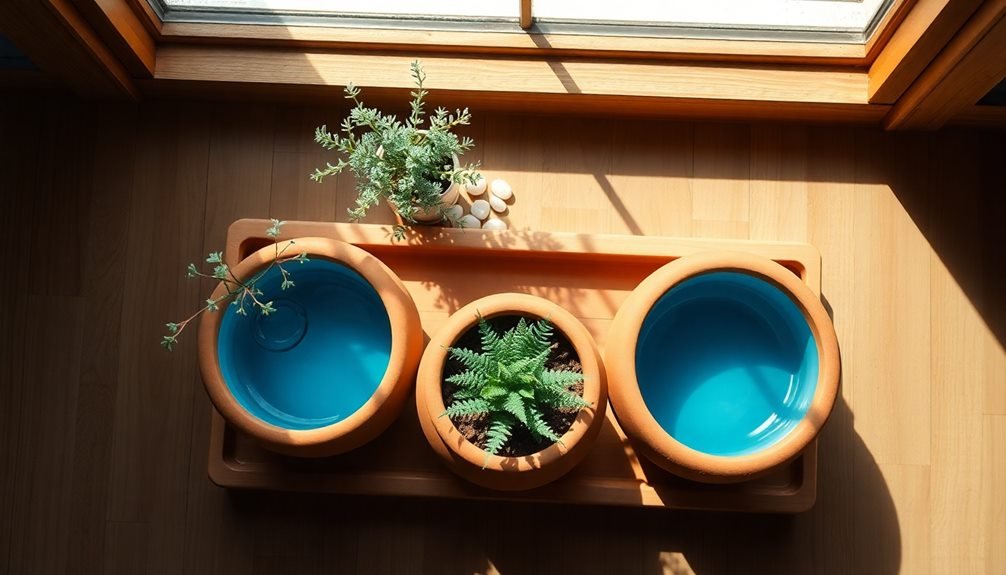
Self-watering terracotta pots merge traditional aesthetics with modern convenience to make indoor gardening more relaxing and manageable. They feature a water reservoir at the base that slowly releases moisture through the porous clay material, ensuring your plants receive consistent hydration without daily monitoring.
You'll find these innovative pots particularly useful when managing anxiety, as they reduce the worry about under or over-watering your plants. The system works through capillary action, drawing water upward through a wick or soil column as your plant needs it.
| Size | Reservoir Capacity | Ideal Plants |
|---|---|---|
| Small | 0.5-1 cup | Succulents |
| Medium | 1-2 cups | Herbs |
| Large | 2-3 cups | Peace Lilies |
| X-Large | 3-4 cups | Snake Plants |
You can monitor the water level through a built-in indicator window, eliminating guesswork. The terracotta material also helps regulate soil temperature and prevents root rot by allowing excess moisture to evaporate. When selecting your pot, consider the plant's size and water needs to choose the appropriate reservoir capacity.
Ergonomic Mini Garden Tools
Mini garden tools designed with ergonomic handles complement your self-watering pots by making plant maintenance gentle on your hands and wrists.
These scaled-down versions of traditional gardening tools feature soft-grip silicone or memory foam handles that reduce strain during repetitive tasks like pruning, soil aeration, and transplanting. You'll find that their lightweight construction and balanced design help prevent fatigue, especially when you're tending to multiple plants.
The most essential ergonomic mini tools for your indoor garden include:
- A curved-handle pruning snip with spring-loaded action that requires 30% less force than standard pruners, perfect for trimming delicate stems and removing dead leaves.
- A palm-fitted trowel with a cushioned grip and narrow blade that allows precise soil work in confined spaces without straining your fingers.
- A soil probe/aerator with an angled handle that keeps your wrist in a natural position while loosening compacted dirt around your plants' roots.
When you're choosing your tools, look for those with antimicrobial coatings on the handles and rust-resistant stainless steel components to guarantee longevity and cleanliness in your indoor gardening routine.
Mindful Plant Care Journal
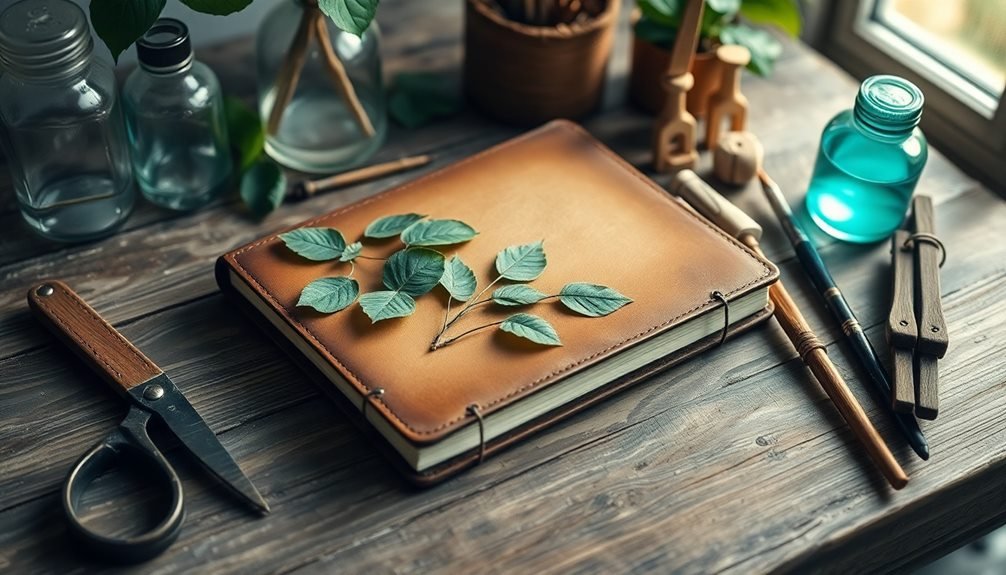
A mindful plant care journal transforms your indoor gardening experience into a rewarding journey of observation and growth.
You'll find dedicated spaces to track watering schedules, fertilizing routines, and seasonal changes in your plants' behavior. The journal helps you develop a deeper connection with your green companions while reducing the anxiety of remembering care requirements.
Choose a journal with sections for plant profiles, where you can document each plant's specific needs, including light preferences, humidity levels, and soil conditions.
You'll want pages for monthly maintenance logs and space to sketch leaf patterns or document growth progress through photographs. Many journals include moisture meters and pH testing results tracking, helping you fine-tune your care routine.
The most effective plant journals feature prompts for mindfulness exercises, encouraging you to spend quiet moments observing leaf textures, noting fragrance changes, and recording your emotional responses to your plants' development.
You'll benefit from dedicated troubleshooting sections where you can document pest issues, leaf discoloration, or growth concerns, creating a valuable reference for future plant care decisions.
Frequently Asked Questions
Can Indoor Gardening Help With Seasonal Affective Disorder (Sad)?
Yes, indoor gardening can help with SAD by exposing you to natural light and providing a rewarding activity during dark months. You'll benefit from both the light exposure and mood-boosting effects of nurturing plants.
How Long Should I Spend Daily on Mindful Plant Care?
You don't need long sessions – start with 10-15 minutes daily for mindful plant care. You'll know it's enough when you're feeling calmer and more centered. You can always extend if you're enjoying it.
Which Indoor Plants Are Best for Reducing Anxiety Levels?
You'll find peace with lavender's calming scent, snake plants' air-purifying power, and low-maintenance succulents. Peace lilies and bamboo palms also reduce stress through their gentle presence and easy care routine.
Are There Specific Color Schemes That Enhance the Calming Effects?
You'll find that soft greens, gentle blues, and muted purples create the most calming environment. White flowers add serenity, while avoiding bright reds and oranges that might stimulate rather than relax your mind.
What Time of Day Is Most Beneficial for Anxiety-Reducing Plant Care?
You'll find early morning gardening most effective for anxiety relief. The soft morning light and quiet atmosphere help you focus, plus you'll sync with your plants' natural wakening cycle between 6-9 AM.
In Summary
Whether you're repotting succulents or tending to your herb collection, these mindful gardening tools will help you create moments of peace in your daily routine. You'll find comfort in the simple acts of misting leaves, arranging markers in your indoor garden, or jotting down plant observations. By incorporating these calming tools into your plant care practice, you're cultivating not just greener spaces, but a more serene mind.


Leave a Reply