
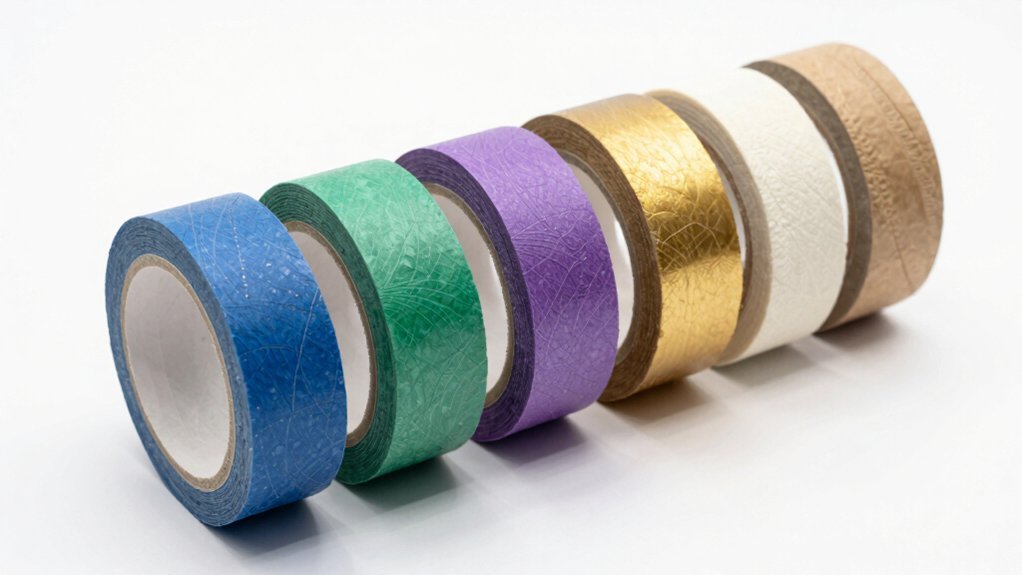
You’re probably frustrated with painter’s tape that leaves residue or blurs your edges. Whether you’re working with watercolor, canvas, or mixed media, you’ll want tape that sticks where you need it and removes cleanly. We’ve tested five top contenders that can transform your masking game. Here’s what sets them apart.
| JusArt Artist Tape for Watercolor Paper (200FT) |  | Best Overall | Residue & Removal: No residue, minimal paper damage, easy repositioning | Acid-Free Protection: Acid-free material | Width: 0.5 inch | CHECK ON AMAZON | Read Our Analysis |
| White Art Tape Medium Tack Acid Free 1inch |  | Best Value | Residue & Removal: Residue-free, easy peeling without paper damage | Acid-Free Protection: Acid-free; protects from oxidation | Width: 1 inch | CHECK ON AMAZON | Read Our Analysis |
| White Art Tape Medium Tack 1 Inch 165FT |  | Most Versatile | Residue & Removal: Residue-free, easy peeling with gentle force | Acid-Free Protection: Acid-free; prevents yellowing and staining | Width: 1 inch | CHECK ON AMAZON | Read Our Analysis |
| Art Tape for Watercolor Paper & Canvas (0.25IN x 99FT) |  | Best for Detail Work | Residue & Removal: Residue-free, easy removal at 45-degree angle | Acid-Free Protection: Acid-free material | Width: 0.25 inch | CHECK ON AMAZON | Read Our Analysis |
| ScotchBlue Painter’s Tape Applicator TA3-SB-ESF |  | Professional Application Tool | Residue & Removal: 14-day clean removal, no sticky residue | Acid-Free Protection: Not specified | Width: 1.41 inches (36mm) | CHECK ON AMAZON | Read Our Analysis |
More Details on Our Top Picks
JusArt Artist Tape for Watercolor Paper (200FT)
If you’re masking off watercolor paper borders to achieve crisp, professional results, JusArt Artist Tape delivers the precision you need. This 200-foot roll features premium pulp construction with exceptional tear resistance and acid-free composition, ensuring your artwork stays protected. The translucent cool white finish won’t obscure your work while you’re painting. You’ll appreciate the gentle yet secure hold that prevents pigment bleed without slipping. When you’re finished, removal is effortless—peel it away without residue or paper damage. The half-inch width tears smoothly by hand, creating sharp, clean edges every time. Whether you’re masking, labeling, or creating crisp lines, this tape delivers reliable performance.
- Residue & Removal:No residue, minimal paper damage, easy repositioning
- Acid-Free Protection:Acid-free material
- Width:0.5 inch
- Tape Length:200 feet
- Primary Use:Watercolor painting masking
- Adhesive Tack Level:Gentle hold, secure adhesion
- Additional Feature:Translucent cool white finish
- Additional Feature:Bleed-proof pigment isolation
- Additional Feature:Hand-tearable straight edges
White Art Tape Medium Tack Acid Free 1inch
Artists and framers who demand clean edges without surface damage will find this medium tack art tape indispensable. You’ll appreciate its residue-free formula that peels away cleanly without leaving sticky buildup or harming your paper. The acid-free composition protects your artwork from oxidation and degradation over time. Whether you’re masking watercolor paper, blocking areas on canvas, or securing drafts, this one-inch tape delivers ideal tack levels for smooth, controlled application. You can even write directly on it for removable labeling. The satisfaction guarantee backs your investment, ensuring you get reliable performance every time.
- Residue & Removal:Residue-free, easy peeling without paper damage
- Acid-Free Protection:Acid-free; protects from oxidation
- Width:1 inch
- Tape Length:Not specified
- Primary Use:Watercolor, canvas, drafting, framing
- Adhesive Tack Level:Medium tack
- Additional Feature:100% satisfaction guarantee
- Additional Feature:Writable surface for labels
- Additional Feature:Ideal tack level balance
White Art Tape Medium Tack 1 Inch 165FT
The ETNRHP White Art Tape Medium Tack delivers the clean edges you’ll need whether you’re masking watercolor paper, framing artwork, or painting canvas. This crepe paper tape features medium-tack adhesion that repositions easily without leaving residue or yellowing your work. You’ll appreciate its writable surface—marker pens won’t bleed through—and acid-free composition that protects your projects long-term. The 1-inch width and 165-foot length provide ample coverage for most applications. Simply tear at 45 degrees for low-tack removal, and you’re done. It performs best between 8–38°C, making it ideal for studio use year-round.
- Residue & Removal:Residue-free, easy peeling with gentle force
- Acid-Free Protection:Acid-free; prevents yellowing and staining
- Width:1 inch
- Tape Length:165 feet
- Primary Use:Watercolor, drafting, framing, art projects
- Adhesive Tack Level:Medium tack, removable and repositionable
- Additional Feature:Anti-corrosion yellowing prevention
- Additional Feature:Marker pen non-bleed formula
- Additional Feature:45-degree angle removal technique
Art Tape for Watercolor Paper & Canvas (0.25IN x 99FT)
Looking for a reliable way to protect your watercolor paper and canvas while creating clean, professional edges? The XUNAXI Art Tape delivers exactly that. This 0.25-inch wide, 99-foot roll features low-tack adhesive that secures your materials without damaging delicate paper surfaces. You’ll appreciate its repositionable design and residue-free removal when you’re ready to reveal your work. The cream crepe paper construction is acid-free, ensuring your artwork won’t yellow over time. You can even write on it with markers—no bleeding. Whether you’re masking areas, securing canvas, or labeling supplies, this versatile tape handles multiple applications effortlessly. Just remember to remove it at a 45-degree angle for best results.
- Residue & Removal:Residue-free, easy removal at 45-degree angle
- Acid-Free Protection:Acid-free material
- Width:0.25 inch
- Tape Length:99 feet
- Primary Use:Watercolor paper and canvas
- Adhesive Tack Level:Low-tack adhesive
- Additional Feature:Cream crepe paper material
- Additional Feature:Bleed-resistant label application
- Additional Feature:45-degree angle peel method
ScotchBlue Painter’s Tape Applicator TA3-SB-ESF
Need to tape trim, baseboards, and window frames faster without the hassle of applying tape by hand? The ScotchBlue Painter’s Tape Applicator TA3-SB-ESF streamlines your prep work with precision and speed. Its circular grip and gliding felt pad make application effortless, while plastic rollers secure the tape firmly and a sharp blade delivers quick, clean cuts. The applicator works with standard 36mm tape rolls and includes a 20-yard starter roll of ScotchBlue Original Painters Tape for multi-surface use. Simply twist to reload new rolls. Apply tape to clean, dry surfaces, let it set 30-60 minutes before painting, and you’ll enjoy clean removal within 14 days with zero residue or damage.
- Residue & Removal:14-day clean removal, no sticky residue
- Acid-Free Protection:Not specified
- Width:1.41 inches (36mm)
- Tape Length:20 yards (60 feet)
- Primary Use:General painting and trim application
- Adhesive Tack Level:Not specified
- Additional Feature:Motorized tape application tool
- Additional Feature:Automatic precision cutting blade
- Additional Feature:14-day clean removal guarantee
Factors to Consider When Choosing Artist Tape for Clean Edge Protection
When you’re selecting artist tape for clean edges, you’ll want to evaluate the adhesive tack level first, as it directly impacts how well the tape adheres without damaging your surface. You should also assess the material quality, width, length, and temperature performance to confirm the tape matches your specific project conditions. Finally, consider the tape’s removal safety and residue-free properties, since pulling it off incorrectly can ruin hours of careful work.
Adhesive Tack Level Matters
The adhesive tack level you choose directly determines whether your tape edges stay put or slip during painting. Medium tack offers the ideal balance, providing secure adhesion without damaging your paper or leaving sticky residue behind. High-tack options can tear surfaces and create cleanup headaches, while low-tack formulations won’t hold during application, allowing paint to bleed underneath and ruin your edges. Residue-free adhesives prevent pigment bleed and guarantee you’ll have clean, repaintable surfaces once you remove the tape. Remember that temperature affects performance too. Peel your tape at a 45-degree angle in warm conditions to minimize tearing and preserve your carefully masked edges.
Material Quality And Composition
Your tape’s foundation matters as much as its adhesive. You’ll want crepe paper or premium pulp construction—both deliver the flexibility and tear resistance you need for clean masking edges. Look for acid-free formulations that protect your artwork from deterioration over time.
The tape’s finish plays an essential role too. You’re looking for translucent cool white or near ceramic white options that let you see edges clearly without overwhelming your work. This visibility matters when you’re precision-masking delicate areas.
Some quality tapes offer writable surfaces and bleed-control features, which become essential if you’re labeling on non-paper surfaces or need to maintain sharp lines. Choose material composition that matches your project’s demands—it’s the backbone of achieving professional results.
Width And Length Requirements
Selecting the right material composition sets you up for success, but you’ll also need to think strategically about tape width and length to match your specific project needs. For large surfaces, choose wider tape (0.5–1.0 inches) and longer rolls (165–200 feet) to maintain edge consistency while reducing mid-project replacements. Conversely, detailed work demands narrower widths (0.25–0.5 inches) with shorter rolls (99 feet) for precise control. Guarantee the tape’s width aligns with your expected line length—mismatched dimensions force repeated repositioning and risk misalignment. Prioritize tapes with stable width throughout the roll to prevent edge drift during application. These considerations directly impact whether you’ll achieve sharp, professional edges or struggle with imprecise lines.
Temperature Performance And Conditions
While temperature dramatically influences how artist tape performs, most formulations work best between 8°C and 38°C (46°F to 100°F). Below freezing, you’ll risk weakened adhesion, which increases edge lifting and edge bleed during application. Conversely, extremely high temperatures can cause residue buildup when you remove the tape, potentially damaging your artwork.
To minimize paper damage, peel at a 45-degree angle, especially in warmer conditions. Temperature also affects moisture levels and ink behavior, so avoid environments outside the recommended range to maintain crisp, clean edges. By selecting tape suited to your workspace’s climate and following proper removal techniques, you’ll achieve professional results without compromising your paper’s integrity.
Residue And Removal Safety
Why does residue matter when you’re choosing artist tape? Leftover adhesive ruins your artwork and damages surfaces. You’ll want residue-free tape specifically designed to peel off cleanly without leaving sticky marks.
Select low to medium tack tapes, which bond gently enough to release safely. When removing tape, peel at a shallow 45-degree angle to minimize paper tearing and edge lift. This technique prevents sudden stress on your artwork’s edges.
Environmental factors substantially impact residue risk. High temperatures strengthen adhesive bonds, making removal harder and messier. Rough or porous surfaces also promote stronger bonding. You’ll reduce residue problems by avoiding these conditions and storing your work in cool, stable environments before applying tape.
Edge Clarity For Artwork
Precision at the tape’s edge determines whether your artwork displays crisp, professional lines or fuzzy, undermined borders. You’ll want tape with bleed-proof isolation that prevents pigments from seeping underneath, maintaining sharp delineation between taped and painted areas.
Look for tape featuring a straight edge and easy hand-tearing capability, which give you precise edge control without wobbly borders. Low-tack or removable adhesives are essential—they reduce paper damage and prevent edge fraying when you remove the tape.
Follow proper removal guidelines, such as peeling at 45-degree angles, to maintain edge integrity without lifting fibers or causing jaggedness. Finally, choose tape with a writable surface that won’t bleed through, ensuring your final edge marks stay crisp without smudging onto your artwork’s border.
Frequently Asked Questions
How Long Does Artist Tape Typically Last Before Losing Its Adhesive Strength?
You’ll typically find that artist tape maintains strong adhesive strength for 3-7 days after application. However, you can extend this by storing it in cool, dry conditions. You’ll notice degradation accelerates when you expose it to heat or humidity.
Can Artist Tape Be Safely Removed From Delicate or Vintage Artwork Surfaces?
You can safely remove artist tape from delicate or vintage artwork surfaces if you’re careful. You’ll want to peel it slowly at a low angle, test it first on inconspicuous areas, and avoid high-temperature environments that weaken adhesive bonds.
What Is the Difference Between Acid-Free and Regular Artist Tape for Archival Purposes?
You’ll find that acid-free artist tape won’t deteriorate or yellow over time, protecting your artwork’s longevity. Regular tape contains acids that’ll gradually damage surfaces and cause discoloration, making it unsuitable for archival preservation.
Does Artist Tape Work Effectively on Textured or Uneven Canvas Surfaces?
You’ll find that artist tape doesn’t adhere as effectively on textured surfaces since it won’t make full contact with uneven areas. You should smooth your canvas first or use painter’s tape designed for rougher substrates for better results.
How Should Unused Rolls of Artist Tape Be Stored to Maintain Optimal Performance?
You’ll maintain your artist tape’s performance by storing unused rolls in a cool, dry place away from direct sunlight. Keep them upright in an airtight container to prevent dust accumulation and preserve the adhesive’s stickiness over time.

Leave a Reply