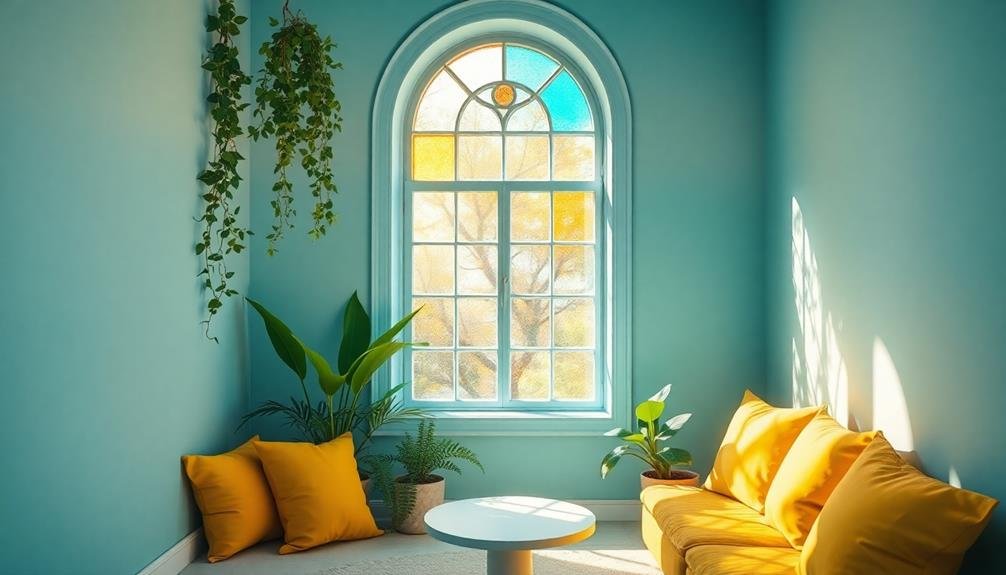
To boost your mental wellness, try these three effective color therapy techniques. First, engage in mindful coloring; it helps you focus on the present and promotes relaxation. Choose colors that reflect your mood—warm ones for energy and cool colors for a calm state. Finally, consider integrating art therapy. Painting or creating collages allows emotional exploration and expression in a safe space. Each technique encourages deeper connection with your emotions and fosters tranquility. If you explore these methods further, you'll discover even more ways to enhance your mental well-being through the vibrant world of color.
Mindful Coloring Practices
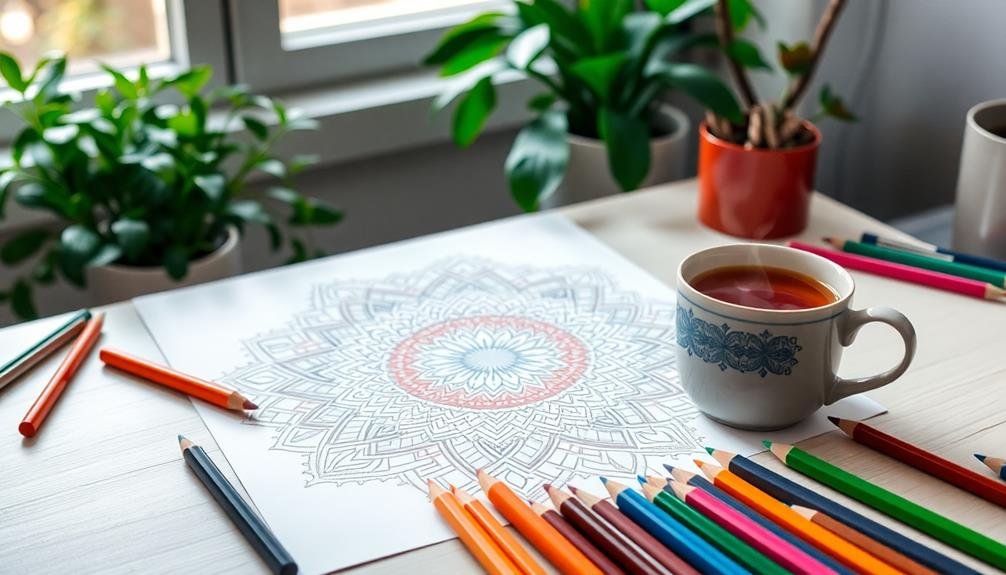
In today's fast-paced world, taking a moment to engage in mindful coloring can be a powerful way to enhance your mental wellness. This practice invites you to focus on the present, allowing your mind to escape the chaos around you. By concentrating on the simple act of coloring, you can cultivate a sense of calm and clarity.
To start, find a quiet space where you won't be interrupted. Choose a coloring book or printable sheets that resonate with you. As you select your colors, notice how each hue can evoke different feelings.
When you begin coloring, focus on the movements of your hand and the strokes you make. Let go of any judgments about your artistic skills; it's about the process, not the outcome.
Try to breathe deeply as you color, allowing your breath to synchronize with your movements. This rhythm can help ground you and reduce anxiety.
Set aside a specific time each week for this practice, treating it as a valuable appointment for self-care. Ultimately, mindful coloring can serve as a delightful escape, giving you a chance to recharge and reconnect with yourself.
Choosing the Right Colors
Selecting the right colors can greatly enhance your coloring experience and emotional well-being. When you choose colors, think about how they make you feel. Warm colors like red and orange can energize and invigorate you, while cool colors such as blue and green tend to promote calmness and relaxation.
To begin, consider your current mood. If you're feeling anxious, opt for soft blues or greens to help soothe your mind. On the other hand, if you're looking for motivation, bright yellows or vibrant reds can uplift your spirits.
You can also use color to express your emotions. If you're feeling joyful, incorporating cheerful colors can amplify that happiness. Conversely, darker hues like deep purples or blacks might resonate with feelings of introspection or sadness, allowing you to explore those emotions safely.
Experiment with different color combinations to see what resonates with you. Sometimes, layering colors can create depth and complexity, reflecting your multifaceted emotional state.
Integrating Art Therapy Techniques
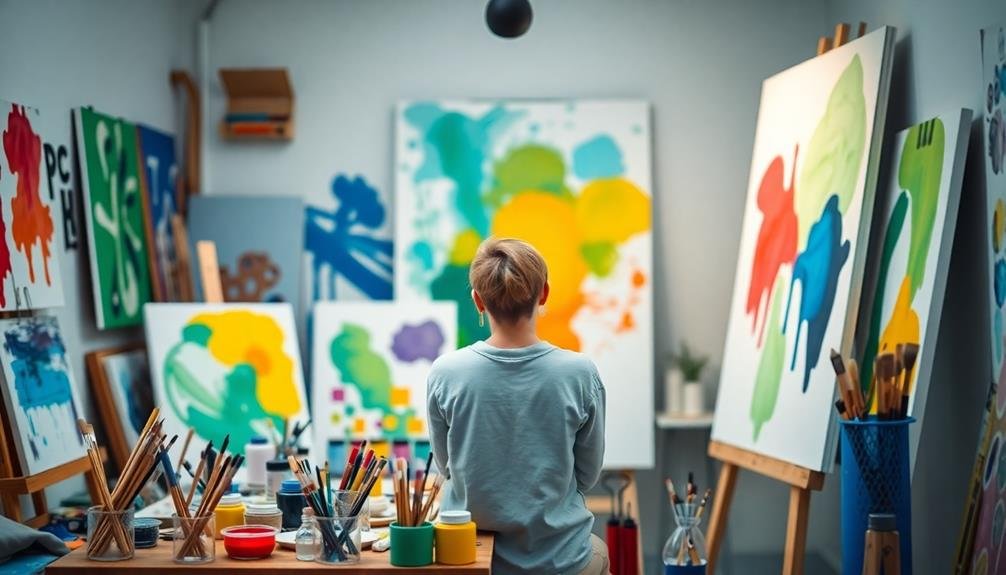
Utilizing art therapy techniques can considerably enhance your mental wellness journey. By incorporating creative expression into your routine, you can explore your emotions and thoughts in a safe space. Art allows you to visualize feelings that might be hard to articulate, fostering self-discovery and healing.
Here's a quick guide to different art therapy techniques you can try:
| Technique | Purpose | Suggested Activity |
|---|---|---|
| Painting | Emotional expression | Use colors that resonate with you |
| Collage | Exploring identity | Create a collage of images and words that inspire you |
| Drawing | Stress relief | Doodle or sketch when feeling overwhelmed |
| Sculpting | Physical engagement | Mold clay to express your current feelings |
| Mandala creation | Mindfulness and focus | Create mandalas using colors that calm you |
Each technique serves a unique purpose; experiment with them to find what resonates with you. This integration of art into your wellness routine can lead to profound insights and emotional clarity. So grab some supplies, let your creativity flow, and watch how it positively impacts your mental health.
Frequently Asked Questions
How Does Color Therapy Differ From Traditional Therapy Methods?
Color therapy focuses on using colors to influence your emotions and well-being, while traditional therapy often relies on talk-based methods. You'll find color therapy emphasizes visual stimulation and emotional responses, rather than verbal communication and analysis.
Can Color Therapy Be Practiced Alone or Requires a Therapist?
You can practice color therapy alone, using colors in your environment or through art. However, working with a therapist can deepen your understanding and provide guidance, making your experience more effective and tailored to your needs.
What Scientific Evidence Supports Color Therapy's Effectiveness for Mental Wellness?
Scientific evidence on color therapy's effectiveness is limited but promising. Studies suggest colors can influence mood and emotions. You might find that certain colors boost your well-being, even if more research is needed to confirm results.
Are There Any Risks Associated With Color Therapy Practices?
Color therapy's generally safe, but you should be cautious. Overexposure to certain colors might cause discomfort or anxiety. It's best to listen to your feelings and consult a professional if you experience any negative effects.
How Often Should One Practice Color Therapy for Best Results?
You should practice color therapy regularly for ideal results. Aim for at least a few sessions each week, adjusting based on how you feel. Consistency helps you connect with the colors and enhances your overall experience.
In Summary
Incorporating color therapy into your routine can greatly enhance your mental wellness. By practicing mindful coloring, choosing colors that resonate with your emotions, and integrating art therapy techniques, you can tap into the healing power of color. Remember, it's all about expressing yourself and finding joy in the process. So grab your coloring tools, release your creativity, and let the vibrant hues uplift your spirit. You deserve this colorful journey toward better mental health!



Leave a Reply