

When you upcycle old items into renewed treasures, you create a mindful sanctuary that soothes anxious thoughts and calms racing minds. The repetitive motions of transforming materials act as a moving meditation, while hands-on tasks redirect your focus from worries to the present moment. You'll find peace through creative problem-solving and gain confidence with each completed project. The process of sorting, planning, and creating helps you regain a sense of control while releasing tension through artistic expression. This sustainable practice offers more than just transformed objects – it's a pathway to transforming your mindset.
The Mindful Art of Transformation
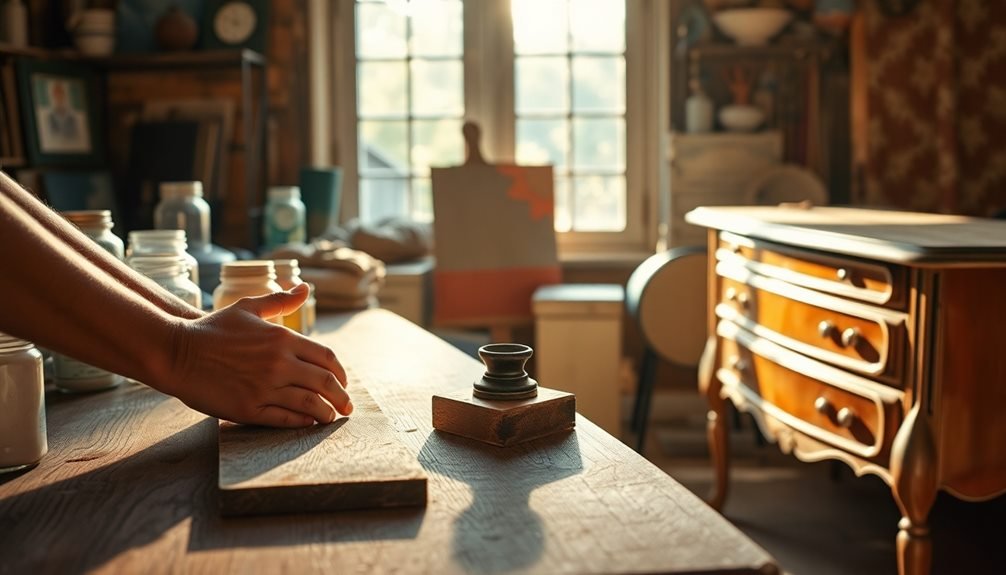
The art of upcycling takes you from within your creative mind out into the physical world, transforming discarded items into renewed treasures. As you examine each piece's potential, you're engaging in a mindful practice that demands your full attention, pulling you away from racing thoughts and worries.
When you hold that worn wooden chair or faded picture frame, you'll notice your mind shifting from anxious loops to possibilities. You're not just seeing what's broken – you're envisioning what could be. This mental shift helps ground you in the present moment, much like meditation, but with tangible results.
The transformation process itself becomes a soothing ritual. You'll find peace in the repetitive motions of sanding, painting, or weaving. Each step requires focus and intention, creating a natural flow state that calms your nervous system.
Whether you're reupholstering a cushion or reimagining old mason jars, you're practicing patience and accepting imperfection.
This mindful approach to upcycling doesn't just renew objects – it refreshes your perspective, teaching you that change isn't always threatening. It's often beautiful and full of possibility.
Finding Peace Through Creative Reuse
Creative reuse offers a unique pathway to inner calm, especially when you're feeling overwhelmed by life's demands. When you transform discarded items into something new, you'll discover a meditative state that helps quiet your racing thoughts and anxieties.
The process of upcycling naturally guides you into a flow state, where your focus shifts from daily stressors to the creative task at hand. You'll find yourself fully absorbed in selecting materials, planning designs, and executing your vision.
| Upcycling Activity | Mental Health Benefit |
|---|---|
| Sorting materials | Develops mindfulness |
| Planning projects | Reduces anxiety |
| Physical creating | Releases tension |
| Problem-solving | Builds confidence |
| Completing items | Boosts satisfaction |
Each step of the upcycling process engages different aspects of your mind and body. As you work with your hands, you'll notice your breathing becomes more regulated and your shoulders relax. The satisfaction of giving new life to old items creates a sense of purpose and accomplishment, while the sustainable nature of your practice adds meaning to your creative journey.
Hands-On Focus Beats Racing Thoughts
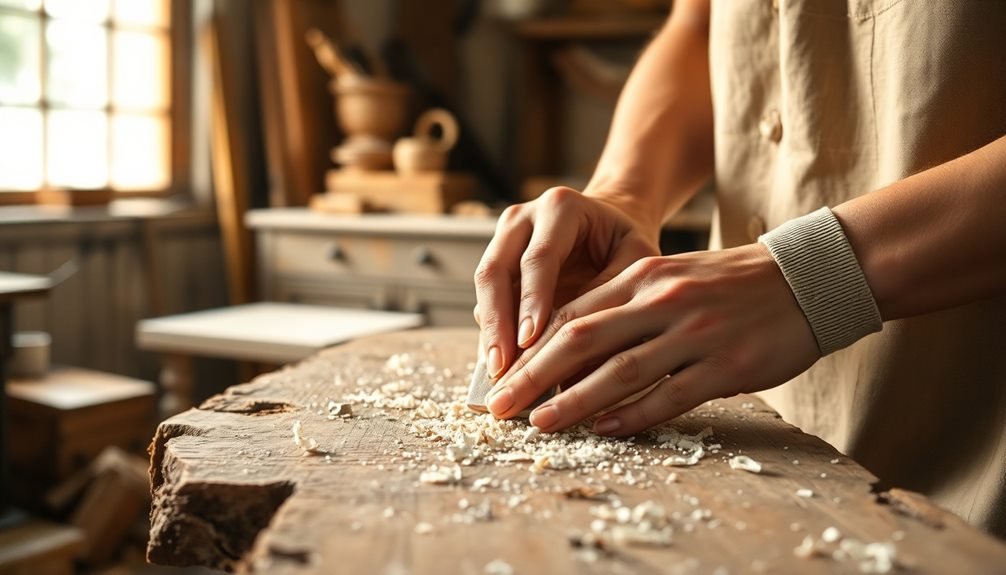
When racing thoughts spiral out of control, engaging in hands-on upcycling projects can snap you back to the present moment. The tactile nature of working with materials forces your mind to focus on immediate physical sensations rather than dwelling on worries.
Whether you're sanding wood, weaving fabric, or applying paint, these activities demand your full attention. You'll find that measuring, cutting, and assembling materials creates a natural flow state where anxious thoughts have less room to intrude.
Your brain can't simultaneously stress about tomorrow's meeting while carefully threading a needle or matching paint colors. The precision required for these tasks automatically shifts your focus to the here and now.
Start with simple projects that match your skill level. You might transform a glass jar into a vase or turn old sweaters into throw pillows. As you work, notice how your breathing naturally steadies and your shoulders relax.
The repetitive motions of crafting – whether it's stitching, folding, or arranging – act as a form of moving meditation. Your racing mind slows down as you concentrate on bringing new life to discarded items.
Nature-Inspired Upcycling Projects
Drawing inspiration from the natural world enhances the calming effects of upcycling projects. When you're feeling anxious, transforming discarded items into nature-themed creations can help you reconnect with earth's peaceful rhythms. You'll find that incorporating natural elements like leaves, twigs, and stones into your projects creates a grounding experience.
| Natural Element | Upcycling Project Idea |
|---|---|
| Seashells | Mason jar coastal lanterns |
| Pine cones | Rustic wall hangings |
| Dried flowers | Pressed flower window frames |
| River stones | Painted meditation stones |
| Tree branches | Driftwood jewelry holders |
Start with simple projects that don't overwhelm you. You might transform an old window frame into a pressed flower display or turn worn-out drawers into planters for succulents. The process of working with natural materials slows your pace and helps you focus on organic shapes and textures. As you weave nature's elements into your creations, you'll notice how the irregular patterns and imperfect forms reflect life's authentic beauty. This acceptance of natural variation can help ease perfectionist tendencies and promote a more relaxed mindset.
Breathing Life Into Old Objects
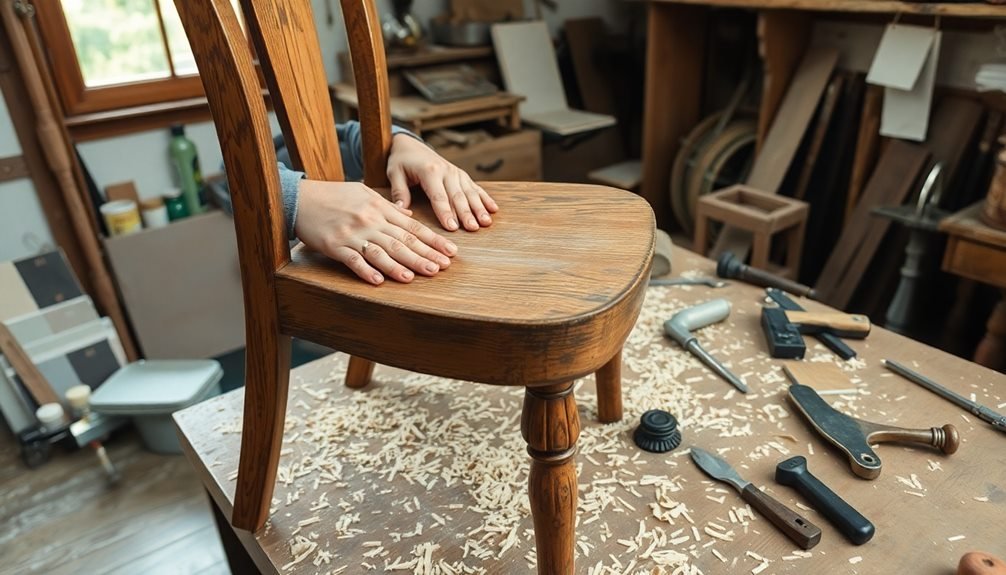
Objects' untold stories and hidden potential emerge through mindful upcycling practices. When you handle discarded items with intention, you'll discover opportunities to transform them into something meaningful. Each scratch, dent, or worn patch becomes part of a new narrative you're creating through your restoration work.
You'll find that breathing new life into old objects requires patience and presence. As you sand down rough edges or apply fresh paint, you're engaging in a meditative process that keeps your mind anchored to the present moment. The transformation unfolds gradually – perhaps you're turning a vintage suitcase into a pet bed or converting mason jars into elegant light fixtures.
The practice becomes especially soothing when you focus on the tactile elements: feeling the texture of weathered wood, smoothing out fabric wrinkles, or mixing colors to achieve the perfect shade. You're not just changing an object's appearance; you're participating in its evolution.
This process of renewal often mirrors personal growth, as you learn to see potential in what others might consider worthless. Through upcycling, you become both storyteller and craftsperson, weaving new purposes into forgotten treasures.
Creating Control From Chaos
Throughout the upcycling process, you'll discover a unique way to create order from disorder. When you sort through discarded items, you're making conscious decisions about what can be transformed and what needs to be let go. This decision-making process puts you in control of both the materials and their future purpose.
By breaking down complex items into their basic components, you'll gain a sense of mastery over seemingly chaotic elements. You're not just organizing physical objects; you're restructuring their very essence. When you disassemble an old chair or unravel a worn sweater, you're creating a blank canvas for your creative vision.
The step-by-step nature of upcycling projects gives you clear markers of progress. You'll find comfort in following a planned sequence: cleaning, prepping, transforming, and finishing. Each completed phase reinforces your ability to bring structure to randomness.
As you turn scattered pieces into a cohesive new item, you're also organizing your thoughts and calming your mind. The transformation of messy, unwanted items into purposeful creations mirrors your own ability to manage life's uncertainties.
Simple Steps to Start Upcycling

Now that you understand how upcycling brings order to chaos, you can begin your own journey with a few straightforward steps. Start by identifying items you'd normally discard – old furniture, empty jars, worn clothing, or damaged decor pieces.
Set up a dedicated workspace where you'll feel comfortable experimenting and creating.
Next, research basic techniques for your chosen materials. If you're working with wood, learn about sanding and painting. For fabric projects, master simple stitching methods. Don't overwhelm yourself – focus on one material type initially.
Gather essential tools like scissors, sandpaper, paintbrushes, and adhesives based on your intended projects.
Begin with small, manageable projects that you can complete in an afternoon. Transform a glass jar into a vase, or repaint an old picture frame. As you gain confidence, tackle more complex projects.
Document your progress through photos, noting techniques that work best for you. Join online upcycling communities to share ideas and get feedback.
Remember to maintain a mindful approach – focus on the process rather than rushing to the end result. When you're stuck, step back and visualize the item's potential rather than its current state.
Sustainable Solutions for Mental Wellness
When daily stressors mount, upcycling offers a sustainable pathway to mental wellness through its meditative and rewarding nature. By transforming discarded items into valuable pieces, you'll engage in a mindful practice that reduces anxiety while promoting environmental consciousness.
| Mental Benefit | Environmental Impact |
|---|---|
| Reduces stress through focused attention | Decreases landfill waste |
| Boosts creativity and problem-solving | Conserves raw materials |
| Creates sense of accomplishment | Reduces carbon footprint |
| Improves mindfulness and presence | Promotes sustainable living |
The repetitive actions of sanding, painting, or assembling pieces can create a flow state, similar to meditation. You'll find yourself fully absorbed in the present moment, temporarily setting aside worries about the past or future. This mindful engagement helps regulate emotions and calm racing thoughts.
The satisfaction of completing an upcycling project provides a natural dopamine boost, reinforcing positive feelings and self-worth. You're not just creating something beautiful; you're also contributing to environmental sustainability. This dual benefit creates a powerful sense of purpose and connection to the larger world, essential elements for maintaining mental wellness in today's fast-paced environment.
Meditative Making Techniques
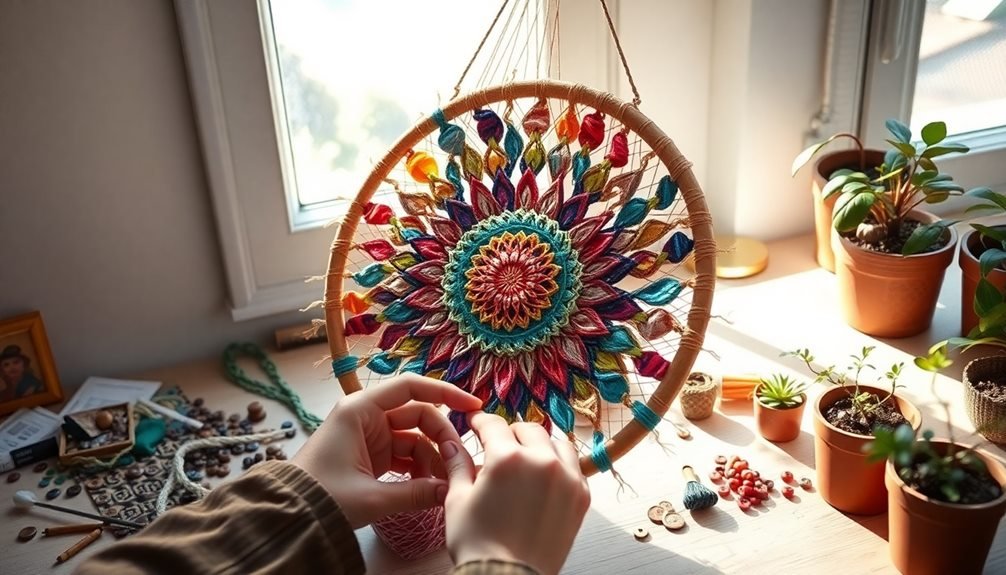
In accordance with mindful practices, specific techniques can transform your upcycling sessions into meditative experiences. When you're working on a project, focus on your breath while performing repetitive actions like sanding, painting, or weaving. Let each stroke become a rhythmic meditation, matching your inhales and exhales to your movements.
Create a dedicated workspace that's free from distractions, where you can fully immerse yourself in the creative process. As you handle materials, notice their textures, temperatures, and weights. If you're painting, watch how colors blend and flow. When you're deconstructing items, observe how pieces fit together and come apart.
Apply the "one task, one moment" principle by breaking down your project into smaller steps. Don't rush to complete everything at once. Instead, treat each phase as its own meditation – whether you're sketching designs, preparing materials, or adding finishing touches.
If your mind wanders, gently redirect your attention to the sensations in your hands and the details of your work. This mindful approach won't just improve your craftsmanship; it'll help you find peace in the process.
Building Confidence Through Repurposing
Each successful upcycling project you complete builds your creative confidence through tangible, achievable wins.
You'll find yourself naturally developing trust in your ability to solve design challenges as you transform discarded items into functional or decorative pieces.
These small victories in repurposing strengthen your creative muscles and encourage you to tackle increasingly complex projects with growing assurance.
Small Wins Add Up
Starting small with upcycling projects builds confidence naturally and steadily. When you transform a simple tin can into a pencil holder or convert an old frame into a serving tray, you're creating tangible proof of your creative abilities. Each completed project becomes a stepping stone toward more ambitious endeavors.
Track your progress to visualize how these small wins accumulate over time:
| Project Level | Skills Gained | Confidence Boost |
|---|---|---|
| Beginner | Basic Tools | First Success |
| Novice | Color Theory | Self-Trust |
| Intermediate | Design Planning | Problem-Solving |
| Advanced | Material Mixing | Creative Freedom |
| Expert | Complex Techniques | Master Status |
You'll notice that each small project teaches you something valuable. That mason jar you painted last week? It taught you about paint adhesion. The wooden crate you restored? You learned about sanding techniques. These micro-lessons stack up, transforming you from a hesitant beginner into a confident creator who's ready to tackle larger challenges. Remember, even experienced upcyclers started with simple projects – they just kept building on their successes, one small win at a time.
Trusting Creative Problem-Solving
While many beginners fear making mistakes, upcycling actually thrives on creative problem-solving. When you face challenges during a project, you're building valuable skills by finding innovative solutions. Each hurdle becomes an opportunity to experiment with new techniques and discover unconventional approaches.
You'll learn to trust your instincts as you transform "mistakes" into design features. That paint drip? It can become a deliberate distressed effect. A misaligned piece? It might inspire an asymmetrical pattern that's even more interesting than your original plan. Through this process, you'll develop confidence in your ability to adapt and improvise.
This problem-solving mindset extends beyond crafting. You'll start seeing possibilities where others see obstacles, whether you're fixing household items or tackling work challenges.
The more you practice creative thinking through upcycling, the more you'll trust your ability to handle unexpected situations. Your brain becomes wired to ask "How can I make this work?" instead of "What if I fail?" This shift in perspective helps reduce anxiety and builds resilience, making upcycling a powerful tool for personal growth and stress relief.
Frequently Asked Questions
Can Upcycling Projects Help Reduce Symptoms of Clinical Anxiety or Depression?
While upcycling can provide therapeutic benefits, it's not a replacement for professional treatment of clinical anxiety or depression. You'll want to use it as a complementary activity alongside proper medical care.
What Role Does Social Connection Play When Upcycling With Community Groups?
When you're upcycling with community groups, you'll share tips, build friendships, and feel supported. You're connecting over shared creativity while reducing isolation and building meaningful relationships through collaborative sustainable projects.
How Does Upcycling Compare to Traditional Meditation for Stress Relief?
While meditation focuses on stillness, you'll find upcycling offers active mindfulness through hands-on creativity. You're engaging both mind and body, turning anxious energy into purposeful work while achieving tangible, satisfying results.
Are There Specific Materials That Provide More Therapeutic Benefits While Upcycling?
You'll find natural materials like wood, fabric, and clay most calming to work with. These tactile elements ground you in the present moment, while soft textures and organic materials can lower your anxiety levels.
Can Upcycling Become Addictive or Lead to Compulsive Collecting Behaviors?
While you're unlikely to become truly addicted, you'll want to set boundaries around collecting. It's easy to stockpile items for future projects, so create limits and organize your space thoughtfully to avoid hoarding tendencies.
In Summary
You'll discover that upcycling isn't just about giving objects a second life – it's about giving your mind a peaceful refuge. When you're transforming old items into something new, you're also transforming anxious energy into creative focus. Whether you're sanding wood, painting furniture, or weaving with fabric scraps, the repetitive motions and hands-on engagement naturally calm your racing thoughts while building your confidence as a mindful maker.



Leave a Reply