
You'll find welcoming spaces for sustainable crafting in text-only upcycling communities, where you can share ideas without the pressure of voice or video interaction. Low-pressure craft exchange groups offer flexible schedules and small gatherings of 5-10 members, perfect for browsing materials at your own pace. Online furniture flippers networks, quiet crafting circles, and no-video chat groups provide judgment-free environments to explore your creativity. Whether you prefer solo crafting or small group settings, these anxiety-friendly communities understand your needs and celebrate your creative journey. Let's explore these supportive spaces where your comfort comes first.
Text-Only Upcycling Communities
For people with social anxiety, text-only upcycling communities provide a comfortable way to share ideas and get feedback without the pressure of voice or video interactions.
You'll find these communities on platforms like Reddit, Discord, and specialized forums where you can post photos of your projects, ask questions, and exchange tips through written messages.
These text-based groups let you participate at your own pace, giving you time to craft thoughtful responses and process information without feeling overwhelmed. You can browse success stories, troubleshooting threads, and project galleries whenever you're ready, and there's no pressure to respond immediately to conversations.
Look for communities that focus on your specific interests, whether it's furniture restoration, textile upcycling, or repurposing electronics. Many groups have dedicated channels or threads for beginners, allowing you to learn gradually and build confidence.
You'll also find searchable archives of previous discussions, which means you can research solutions to common problems without having to post questions if you're not feeling up to it.
Most text-only communities have clear posting guidelines and moderators who maintain a supportive environment.
Low-Pressure Craft Exchange Groups
Low-pressure craft exchange groups let you participate in "take-what-you-need" swaps where you can browse materials and tools without the stress of formal trading rules.
You'll find these groups often offer flexible meeting schedules, including evening and weekend options, making it easier to join when you're feeling most comfortable.
Small group settings of 5-10 members create a more intimate atmosphere where you won't feel overwhelmed by large crowds or excessive social interactions.
Take-What-You-Need Swaps
Many anxiety-friendly crafters find their comfort zone in take-what-you-need swaps, where there's no obligation to give or receive specific items.
These casual exchanges let you browse available materials at your own pace, selecting only what truly inspires you. You won't face pressure to take items you don't want or give more than you're comfortable sharing.
At these swaps, you'll typically find tables or bins filled with fabric scraps, yarn remnants, unused craft supplies, and partially completed projects.
You can drop off your excess materials whenever you feel ready and pick up new items that spark your creativity. There's no need to maintain exact exchanges or track what you've contributed.
The format works particularly well for neurodivergent crafters who may feel overwhelmed by traditional swap expectations.
You'll often find clear signage indicating material categories, making navigation easier. Some groups even offer quiet hours with reduced attendance for those who prefer less crowded spaces.
Most importantly, you can leave at any time without explanation if you're feeling overwhelmed.
These flexible arrangements help create a supportive environment where you can explore new materials while managing your anxiety levels.
Flexible Meeting Schedules
Successful anxiety-friendly upcycling groups regularly offer flexible meeting schedules that adapt to participants' varying comfort levels and energy patterns.
You'll find both morning and evening sessions, weekend options, and even virtual meetups that let you participate from home when in-person interaction feels overwhelming. These groups understand that anxiety levels can fluctuate, so there's no pressure to attend every session.
Most groups offer drop-in formats where you can join mid-project or step away when needed. You won't have to commit to long-term attendance, and you're free to choose which projects interest you most.
Some groups use online scheduling tools that let you browse available time slots and select those that work best for your energy levels and social capacity.
If you're dealing with social anxiety, you'll appreciate that many groups provide "quiet hours" with minimal conversation and background noise.
They also offer hybrid options where you can shift between virtual and in-person participation at your own pace.
Through these flexible arrangements, you'll have the freedom to engage with the community while respecting your personal boundaries and comfort zones.
Small Group Settings
Small-scale gatherings form the backbone of anxiety-friendly upcycling communities, typically limiting participation to 4-8 people per session. This intimate setting allows you to feel less overwhelmed while sharing your creative ideas and upcycling techniques.
You'll find it easier to ask questions, seek guidance, and build genuine connections with fellow crafters who understand social anxiety. In these micro-communities, you won't face the pressure of large crowds or feel lost in the shuffle.
The reduced group size means you'll get personalized attention when learning new skills, whether it's transforming old furniture or creating eco-friendly home decor. You can work at your own pace while still benefiting from the collective creativity and support of others.
Many small upcycling groups operate on a rotation system, where members take turns hosting sessions in their homes or dedicated craft spaces. This approach helps you gradually become comfortable with different environments and people.
You'll also discover that these intimate gatherings often lead to lasting friendships built on shared interests and mutual understanding, making your upcycling journey both productive and personally rewarding.
Beginners' Quiet Crafting Circle
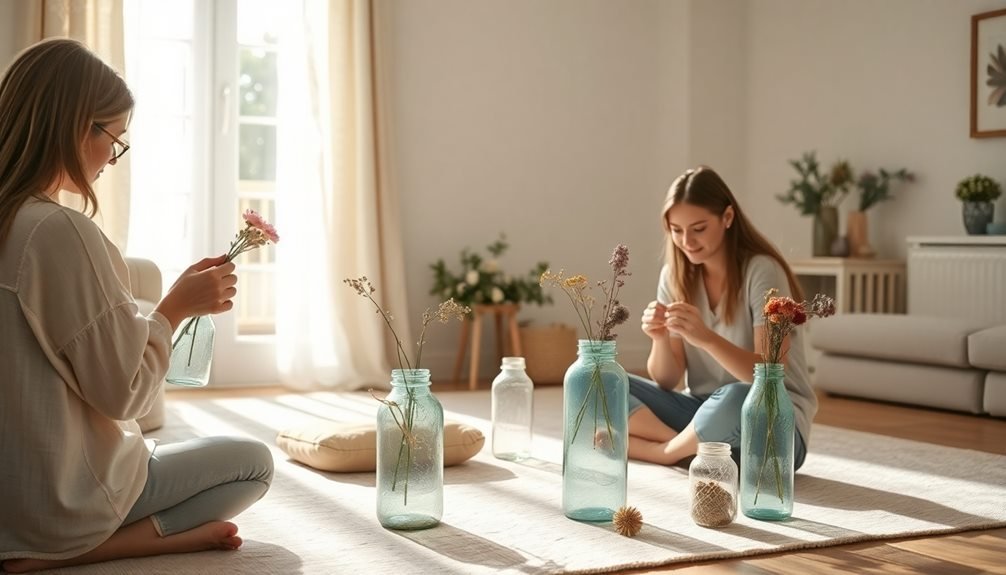
Start your upcycling journey in a quiet crafting circle where you'll work at your own pace without any pressure to socialize or complete projects quickly.
You'll begin with straightforward projects like fabric scrap coasters or decorated tin cans, learning essential techniques alongside others who understand craft-related anxiety.
Meeting fellow anxious makers in this calm environment helps build confidence through shared experiences and mutual support.
Low-Pressure Craft Sessions
The Beginners' Quiet Crafting Circle offers a gentle introduction to upcycling in an anxiety-conscious environment. You'll find flexible seating arrangements that let you choose between joining small groups or working independently. There's no pressure to socialize beyond your comfort level, and you can step out anytime you need a break.
Each session focuses on simple, achievable projects using everyday materials like glass jars, cardboard, or old textiles. You don't need to bring supplies – everything's provided, eliminating the stress of preparation. The group leaders demonstrate techniques clearly and provide written instructions you can follow at your own pace.
You'll discover that the two-hour sessions are structured but relaxed. There's no rushing to finish projects, and you can continue working on them at home. The group maintains a "no criticism" policy, ensuring you won't feel judged about your creative choices or skill level.
If you're struggling, helpers will quietly assist without drawing attention to you. You can even request one-on-one guidance in a separate area if you prefer more privacy while learning new techniques.
Simple Projects Start Here
Everyone begins their upcycling journey with basic projects that build confidence and core skills. You'll find that starting with simple transformations helps manage anxiety while developing your creative voice. Begin with these straightforward projects that don't require complex tools or extensive crafting experience.
| Project Type | Materials Needed | Time Required |
|---|---|---|
| Glass Jar Lanterns | Used jars, paint, tea lights | 30 minutes |
| T-shirt Totes | Old t-shirts, scissors | 20 minutes |
| Book Planters | Hardcover books, soil, succulents | 45 minutes |
Start by selecting projects that match your current comfort level. If you're feeling uncertain, try decorating a single glass jar with paint and twine before moving to a set of matching pieces. You can also begin with t-shirt transformations – they're forgiving materials that don't create mess or require precise cuts. When you're ready, graduate to book planters, which teach you basic structural techniques without overwhelming pressure.
Remember to work at your own pace and celebrate small victories. Each completed project adds to your skillset and builds the foundation for more advanced upcycling challenges.
Meet Fellow Anxious Makers
Meeting like-minded makers can feel less intimidating in a quiet crafting circle designed specifically for beginners with anxiety. These groups typically limit attendance to 4-6 people and maintain a calm, pressure-free environment where you can work at your own pace.
You'll find that most participants share similar concerns about social interactions while crafting. In these circles, you don't need to maintain conversation if you're not comfortable – silent crafting is welcomed.
Many groups use simple hand signals or written cards to communicate needs or ask questions. You're free to take breaks, step outside, or leave early without judgment.
You can find anxiety-friendly crafting circles through local community centers, mental health organizations, or online platforms like Meetup. Before joining, you're encouraged to contact the organizer to learn about group dynamics and accommodation options.
Most circles offer "preview sessions" where you can observe before committing. Focus on groups that explicitly mention being anxiety-friendly and beginner-focused.
Look for terms like "quiet crafting," "low-pressure environment," or "neurodivergent-friendly" in their descriptions. These indicators help guarantee you'll find a supportive space that matches your comfort level.
Online-Only Furniture Flippers Network
Virtual furniture flipping communities offer a welcoming space for anxiety-prone DIY enthusiasts to connect without the pressure of in-person interactions. You'll find dedicated forums, social media groups, and chat rooms where you can share your latest projects, ask questions, and get feedback from fellow furniture flippers who understand your concerns.
| Platform | Anxiety-Friendly Features | Best For |
|---|---|---|
| Discord | Text-only communication, optional voice | Real-time project advice |
| Facebook Groups | Post anonymously, scheduled interaction | Before/after showcases |
| Username privacy, downtime settings | Technique discussions | |
| Visual inspiration, minimal interaction | Design ideas | |
| Control comment settings, DM limits | Portfolio building |
These online networks let you participate at your own pace, stepping away when you need breaks without explanation. You'll discover specialized channels for different skill levels, from beginners learning basic refinishing to experts tackling complex restorations. Most platforms offer mute options, content filters, and private messaging features that help you maintain comfortable boundaries while still staying connected to the community.
Small-Group Sustainable Projects
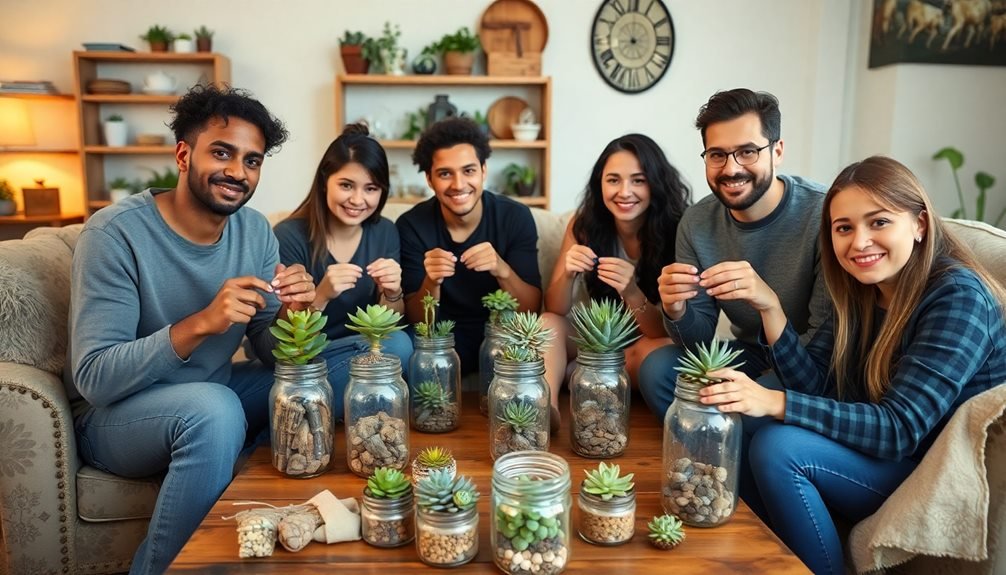
Small-group sustainable projects offer an ideal next step for those ready to combine online connections with gentle in-person collaboration.
You'll find these intimate groups typically limit participation to 4-8 members, creating a comfortable space where you can work on eco-friendly transformations without feeling overwhelmed.
These micro-communities often meet in members' homes or small workshop spaces, focusing on specific sustainable projects each month.
You're free to participate at your own comfort level, whether you're ready to jump in or prefer to observe first. Many groups maintain active chat groups between meetings, letting you stay connected while managing social energy.
- Transform old clothing into reusable shopping bags or quilts with patient, understanding teammates
- Convert wooden pallets into garden planters alongside fellow anxiety-aware crafters
- Join forces to repurpose glass jars into organizing solutions, with no pressure to socialize extensively
The beauty of these small-group projects lies in their structured approach.
You'll know exactly what to expect at each meeting, from the materials needed to the time commitment involved.
Most groups welcome beginners and explicitly state their anxiety-friendly policies in their descriptions.
Mindful Makers Community
You'll feel welcome and understood in the Mindful Makers Community, where crafting with reused materials happens at your own comfortable pace.
The group's zero-pressure environment lets you explore upcycling projects while connecting with others who share your creative interests and understand anxiety-related challenges.
Your skills can grow naturally as you contribute to sustainability efforts alongside supportive makers who value both environmental consciousness and mental well-being.
Safe Space Crafting Together
Once a week, Mindful Makers Community hosts in-person upcycling sessions where anxiety-conscious crafters can gather in a judgment-free environment.
You'll find a welcoming space where you can work at your own pace, take breaks whenever needed, and connect with others who understand social challenges.
The group's trained facilitators guarantee everyone feels comfortable and supported while transforming old materials into new treasures.
You're free to bring your own projects or participate in the community's planned activities, which range from textile repurposing to furniture restoration.
What makes these sessions truly anxiety-friendly:
- Quiet corners are available if you need a moment to decompress or work independently
- There's no pressure to maintain conversations – you can focus entirely on your craft
- You can use color-coded badges to indicate your comfort level with social interaction
You'll discover that Safe Space Crafting Together isn't just about upcycling – it's about building confidence through creativity.
Whether you're repurposing old jeans into a tote bag or turning mason jars into decorative lanterns, you're part of a supportive community that values both sustainability and mental well-being.
Repurposing With Zero Pressure
Mindful Makers Community's zero-pressure approach lets you explore upcycling at your own speed without deadlines or expectations. You'll find a judgment-free environment where you can experiment with transforming old items into new treasures, whether you're a beginner or experienced crafter.
| Project Level | Time Investment | Materials Needed |
|---|---|---|
| Beginner | 15-30 minutes | Single household item |
| Intermediate | 1-2 hours | 2-3 recyclables |
| Advanced | 2+ hours | Multiple materials |
The community emphasizes that there's no "wrong way" to upcycle. You're free to start with simple projects like transforming glass jars into candle holders or tackle more complex endeavors like creating furniture from pallets. When you're feeling overwhelmed, you can step back and observe others' projects for inspiration or join casual virtual meetups where members share tips without pressure to participate.
Members can access project guides that break down each upcycling task into manageable steps, complete with modification suggestions for different anxiety comfort levels. You'll never face criticism for taking breaks or choosing simpler projects – it's all about discovering your personal creative rhythm while reducing waste.
Solo Crafter Support Network
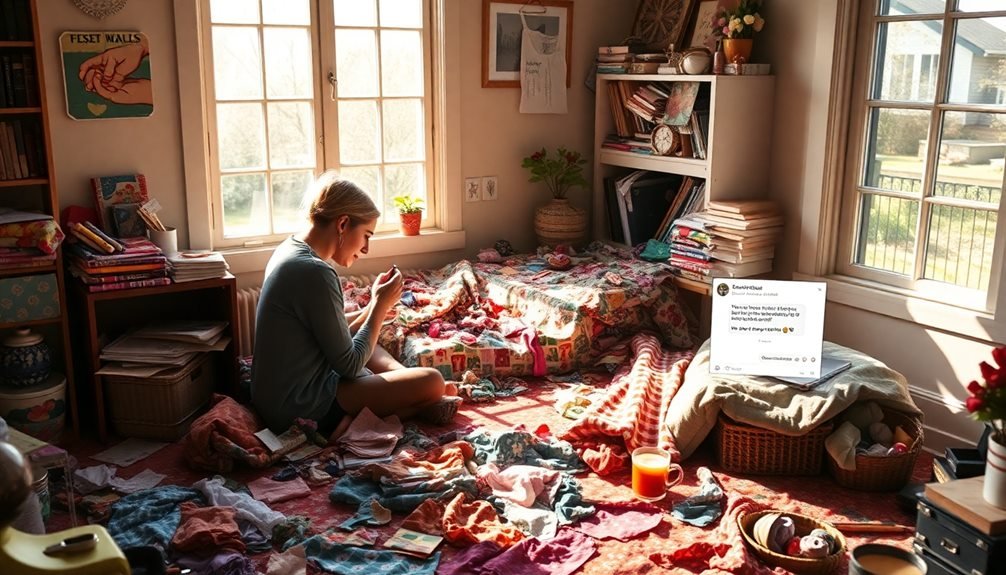
The Solo Crafter Support Network connects anxiety-prone upcyclers who prefer working independently but still want to share their creative journey.
You'll find a judgment-free space where you can share photos of your projects, ask questions, and celebrate small wins without the pressure of in-person interactions.
Through the network's digital platform, you're able to connect with fellow crafters who understand your need for solitude while creating. You can participate at your own pace, choosing when to engage and how much to share.
The platform offers:
- Virtual show-and-tell sessions where you can post photos and descriptions of your projects without real-time interaction
- Direct messaging features that let you connect one-on-one with other members when you're feeling social
- Weekly optional challenges that you can complete in your own time and space
You'll discover that many members share similar experiences with anxiety, making it easier to find understanding peers who respect your boundaries.
The network's flexible structure means you can step back when you need space and return whenever you're ready to reconnect with the community.
No-Video Chat Groups
For those who find video calls overwhelming, no-video chat groups provide a comfortable way to connect with fellow upcyclers through text-based discussions. You'll find these groups on platforms like Discord, Telegram, and WhatsApp, where you can share project photos, ask questions, and exchange ideas without showing your face or speaking.
These text-based communities often organize their chats into specific channels, making it easier to find relevant conversations. You'll discover dedicated spaces for furniture flips, textile projects, and creative repurposing of everyday items.
Many groups also feature channels for sharing thrift store finds, sourcing materials, and troubleshooting common upcycling challenges.
To get the most out of these groups, you can set notifications for topics that interest you and participate at your own pace. You don't need to respond immediately, and you can take time to craft thoughtful responses.
Some groups even offer scheduled text-based workshops where moderators guide participants through specific projects using step-by-step instructions and photos. This format allows you to learn new techniques while maintaining your comfort level with digital interaction.
Judgment-Free Creative Space
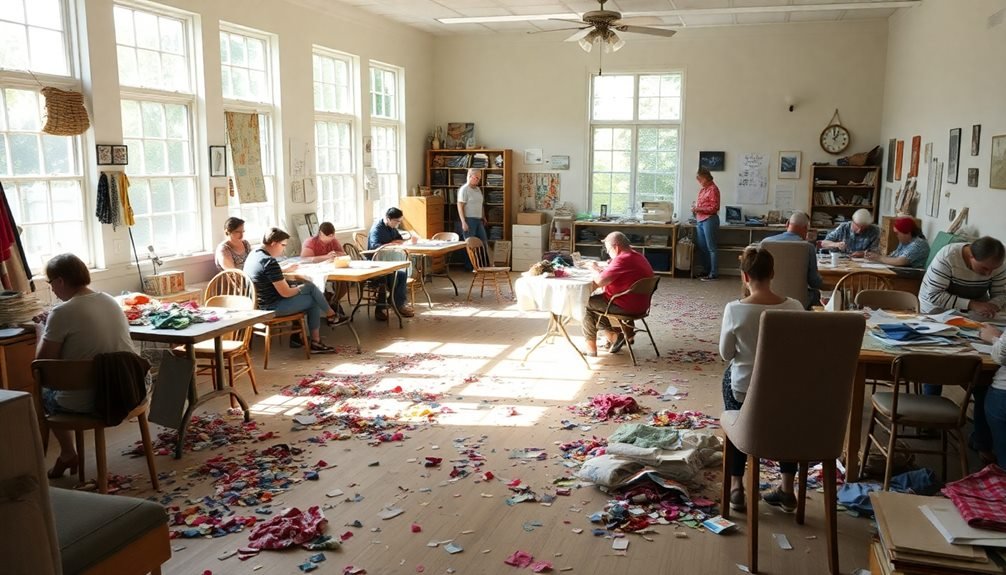
Creating in a judgment-free space empowers anxious upcyclers to experiment without fear of criticism or perfectionism. When you join an anxiety-friendly upcycling group, you'll find yourself surrounded by supportive members who understand that everyone's creative journey looks different.
These spaces prioritize personal growth over competition, allowing you to share your projects at your own pace.
You'll discover that judgment-free creative spaces foster innovation by removing the pressure to create "perfect" pieces. Instead, they encourage learning through trial and error, celebrating both successes and learning experiences.
Many groups implement specific guidelines to maintain their supportive atmosphere:
- No unsolicited advice – members must explicitly ask for feedback before others provide suggestions
- Positive-only interactions – comments focus on encouraging progress rather than pointing out flaws
- Flexible participation – you can choose when to share and how much to engage
These mindful practices help reduce anxiety triggers while promoting authentic creative expression.
Whether you're transforming old furniture or repurposing fabric scraps, you'll feel comfortable exploring new techniques and developing your unique upcycling style without worry about meeting others' expectations.
Written Guidance Upcycling Club
Building on the judgment-free atmosphere, written guidance upcycling clubs offer a structured approach to creative exploration that's particularly helpful for members who prefer text-based communication. You'll find detailed project instructions, step-by-step tutorials, and written feedback that you can process at your own pace without the pressure of face-to-face interactions.
| Feature | Benefit | How It Works |
|---|---|---|
| Digital Handouts | Clear instructions you can reference repeatedly | Download PDF guides for each project |
| Chat Support | Ask questions without speaking | Use the messaging system for clarification |
| Photo Sharing | Show progress without in-person exposure | Upload images with written descriptions |
These clubs typically operate through platforms like Discord or Slack, where you'll receive weekly project prompts and written materials. You can share your work through photos and written descriptions, getting thoughtful feedback from other members through text responses. The format allows you to participate fully while maintaining comfortable boundaries, and you're free to take breaks whenever you need them without drawing attention to yourself.
Frequently Asked Questions
How Do I Handle Disagreements With Other Members About Project Feedback?
Stay calm and express your views respectfully. Listen to others' perspectives, acknowledge their points, and suggest compromises. If needed, take a break from the discussion to gather your thoughts before responding.
What Mental Health Resources Are Available Within These Upcycling Communities?
You'll find peer support groups, mindfulness sessions, and mental health moderators in most communities. They'll often share crisis hotline numbers and connect you with local therapists who understand creative pursuits.
Can I Participate if I Don't Have Regular Access to Crafting Supplies?
You can absolutely join! Most groups share supplies, organize material swaps, and maintain communal resource banks. You'll find members often donate extra items and help each other source materials for upcoming projects.
Are There Options for Members Who Prefer Working During Late-Night Hours?
You'll find plenty of 24/7 online groups that welcome night owls. You can join virtual workshops, watch recorded tutorials, and connect with other late-night crafters through discussion boards and chat rooms anytime.
What's the Policy on Selling Items Created Within Anxiety-Friendly Groups?
You'll find most groups let you sell your creations, but they'll ask for credit to the group. You should check each group's specific guidelines, as some prefer items stay within the community.
In Summary
You've got plenty of options to explore upcycling while managing your anxiety. Whether you're joining text-based communities or small-group projects, these spaces let you create at your own pace without social pressure. Don't hesitate to try multiple groups until you find your perfect fit. Remember, there's no right or wrong way to upcycle – it's about expressing yourself comfortably while giving new life to old items.

Leave a Reply